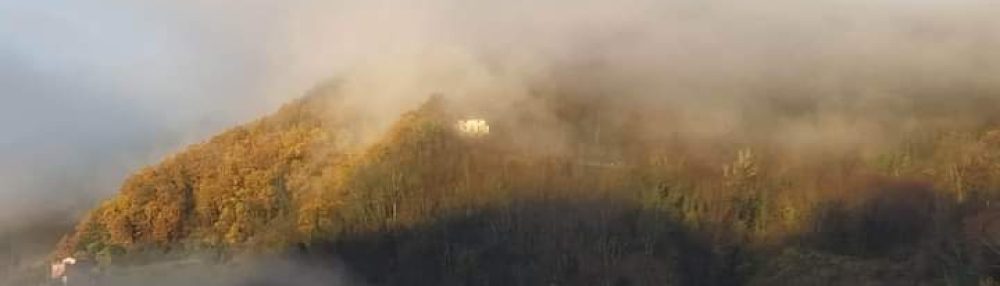
In the picturesque Tuscan countryside near Cortona, stands the historic Villa Morra di Lavriano, surrounded by centuries-old cypresses, quiet avenues, and gardens that hold memories of culture, freedom, and courage.

The villa was the residence of Count Umberto Morra di Lavriano, a man renowned for his moral independence, refined culture, and extraordinary civic courage.

Morra di Lavriano was known not for wealth or political positions, but for his moral elegance and intellectual integrity. The writer Alberto Moravia called him “the morally most elegant man in Italy”, emphasizing his courage and intellectual freedom during a period of conformity under the fascist regime.


In the 1930s, the villa became a meeting place for artists and intellectuals, including: Renato Guttuso, Alberto Moravia and Aldo Capitini.
Here, European literature, art, modern philosophy, and politics were freely discussed. Some guests described the villa as “a small independent republic in the midst of fascist Italy”, an oasis of cultural freedom.
The Count’s private library held thousands of foreign volumes, many rare or difficult to obtain. Some were carefully stored on internal shelves, turning the villa into a true European cultural salon.

During the 1938 fascist plebiscite, Morra went to the Cortona polling station and voted openly “NO”, a rare act of civic courage symbolizing his moral integrity in a climate of fear where only a ” YES” would have been acceptable, .
During the war, the villa was used by German soldiers, but remained undamaged. The only curious detail was a pile of winter socks left behind. Morra, away for safety during the occupation, returned to find the villa completely intact, amazed by the care left by the soldiers.

The Italian Cultural Institute already existed as the Casa del Fascio in Bucharest, Romania. After the war, much of its cultural material was transferred to London with most of its books integrated into the Institute’s library.
Morra served as the official director of the Institute for three or four years, guiding the preservation and enhancement of Italy’s cultural heritage. Other key figures included:
the Duke Gallarate Scotti
Count Saffi, artistic director of music
Professor Calogero
Donnini, vice-director and later director
Lucia Pallavicini, initially in charge of the library (from New York), later director in Sweden
Morra also contributed special donations and diplomatic support. These included the Murano crystal candelabras, now transferred to the new Casa Italia headquarters at Buckingham Gate.
During visits to the villa, my wife Alexandra Cipriani had access to rare personal spaces, including the Count’s private chapel. A photograph by her father captures her standing in a white dress her mother had made her, aged about 18, surrounded by the villa’s extraordinary frescoes.

Alexandra also recalls special lunches in Rome near the Trevi Fountain with Count Morra, moments of serenity and freedom that remain vivid memories of a precious era
The villa’s park preserves romantic legends: two young lovers, forbidden by their families, are said to have died together among the cypresses, giving the place a melancholic and poetic aura.
The villa and the Italian Cultural Institute in London represent a bridge between past and present, linking freedom of thought and cultural heritage. Alexandra Cipriani recalls with nostalgia the places of her youth for the Institute, now permanently transferred to the new Buckingham Gate location, was once her childhood home.
Today, Villa Morra di Lavriano stands as a symbol of cultural freedom, moral courage, and passion for knowledge, a place where personal and national history intertwine in unforgettable ways. 🌿📚