Bagni di Lucca is frequently described as a land of poets. In the past it was visited by such giants of the poetic art as Shelley, Byron, Pascoli, the Brownings and Heine who spent some of their most peaceful and productive moments here. This great tradition continues today and one of Bagni’s most distinguished poets, Rossana Federighi (who also runs the ‘Lavanderia Ecologica’ at Ponte a Serraglio), presented her latest volume ‘Il Treno all’indietro’ (‘The Reversing Train’) in the elegant setting of the pink room above the Ristorante dei Forestieri. The book is infused with a profound love of nature, particularly nature as a moral force and a guide very much in the Wordsworthian sense. We are, indeed, guardians of our planet and, following its principles of birth and rebirth, must preserve and help regenerate the Earth’s vital life-forces if we are not going to die in its company.


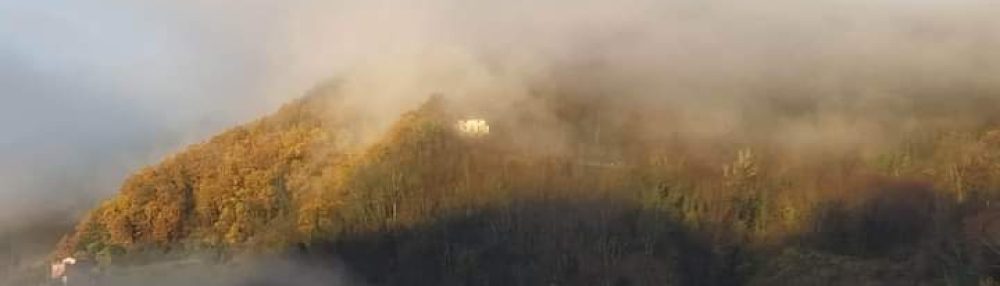
We are fortunate that nature embraces us in our part of the world. We gaze on the green forested hills and grass-carpeted mountain slopes. We are encircled by a symphony of sounds from ecstatic bird-song to the barking of deer. The landscape is enhanced by the tolling of church-bells and the tinkling of flocks of sheep led by the cries of mountain shepherds to their faithful dogs. The meadows are alive with the kaleidoscope of wild flowers, the forests seem hardly touched by the axeman, the craggy contours are unscathed by the devastation of motorways and the air is so limpid that it gives new life to the most tubercolotic of us. Even the horrors of the pandemic have left our part of the world relatively unmarked and well over seventy years have passed since the terrors of war bombardments soiled its settlements.


So everything is hunky-dory? Or is it. Sadly not. Our area, like so much of Italy, is being depopulated. The young desert their hamlets for the big cities or emigrate further afield to other parts of the world. Fields which once were local granaries of spelt and wheat have long since been abandoned to weeds and thorns. Chestnut trees are left to disease and their life-giving fruits no longer able to provide nourishment for the people. Saddest of all, old crafts are being forgotten and ancient traditions no longer kept up.
True, our part of the world is in a much better state of social heath than parts of the UK where young locals are no longer able to afford to buy their own family homes and where some rural areas are bereft of schools, bus services, shops and even pubs! But here too the prognosis is not good and even the income provided by those from abroad coming here to restore ruins to be turned into holiday homes which they, in their countries of origin, might ill-afford does not offer sufficient hope that this land could return to its former regenerative ways. I do find it most ironic that, whereas in the brexitanian kingdom of Britain the big nature conservancy word is ‘re-wilding’, in our part of Italy it is precisely that ‘re-wilding’, caused by land abandonment and depopulation, that is creating negative forces.
The theme of land abandonment causing the wrong sort of ‘rewilding’ characterise at least one of Rossana’s poems which is presented here in the original followed by my translation.
Nelle terre di nonno Aristide,
terre rocciose di acque sanguigne
che scorrono calde
nelle viscere dei monti
si poteva mangiare.
*
Non abbiamo più
mani piene di frutti di castagno
e zolle ricche di patate
ma acacie che avanzano scomposte.
*
Portano via il campo
e il bosco ormai infecondo
in questo sfarzo fiabesco
odoroso e ribelle.
*
Prepotenza di fiori bianchi
acciuffati
tra verdi foglie prorompenti
e rami selvaggi.
*
Si riempe il terreno di rovi
lungo il solco,
verso la cartiera
e il fico nero non cresce
nelle terre domestiche
di nonno Aristide
che non ha più braccia per fermare
questo mondo invasivo.
Queste spine selvagge
Questo regno rapace.
——————-
In the land of grandfather Aristide,
a rocky land of sanguine waters
flowing hot
in the bowels of the mountains
one could eat.
*
We no longer have
hands full of chestnut fruits
and clods full of potatoes
but acacias that advance in a wrecking manner.
*
They take away the fields
and the now barren wood
in this fragrant and rebellious
fairy-tale splendour.
*
An ascendancy of white flowers
gets captured
among bursting green leaves
and wild branches.
*
The ground is filled with brambles
along the furrow
towards the paper mill
and the black fig does not grow
in the homeland
of grandfather Aristide
who has no strength left to halt
this invasive world.
These wild thorns
This rapacious kingdom.
————-
There are many other themes touched upon in Rossana’s treasurable book of poems. Personal fragility, so much in evidence by the pandemic, the healing wonder of nature from earth to the planets, the sheer joyous miracle of existence, the whole mystery of the why, when and how we are here and what we are, are all mentioned in often transcendent poetical metaphors in this collection which may be obtained from Cinquemarzo editors of Viareggio (who once had a memorable bookshop in Bagni di Lucca – remember them?) or, from Rossana’s own work headquarters in the ‘Lavanderia Ecologica’ at Bagni di Lucca’s Ponte di Serraglio. So next time you bring your laundry there why not ask Rossana for a copy of her latest book of poems?