It’s Pinocchio Time Again..

We were glad we attended Bagni Di Lucca’s Pinocchio celebrations on Saturday for this event, organized by the master mind of Marco Nicoli, had to be cancelled on Sunday because of the uncertain weather. This morning the first rain we’ve had for weeks continues unrelentingly.

Anyway, Saturday was full of enjoyable happenings.


The intensely colourful paintings by Eva Alessandra Lombardi in the town hall foyer vividly illustrated key episodes in the world-famous children’s book authored by Carlo Collodi. Buildings from the town featured in the exhibition, the casino and Villa Ada among them. This was most appropriate since the land of games, toys and pleasure, ‘il paese dei balocchi’, as described by Collodi, was inspired by the former reputation of Bagni Di Lucca as the playground of Europe, with its spa and casino.


The stalls sold a wide variety of handicrafts:


There was an abundance of activities to delight children at heart of all ages.

DSCN5383.jpg

I was happy to see the return of the colombina, the traditional Bagni bun in the shape of a stylised dove, baked by the Tana del Ghiro restaurant.

DSCN5373.JPG

The puppetter was especially good and held his audience in thrall with an Italian transformation of the English Punch and Judy show with the crocodile transformed into that equally ferocious giant shark.


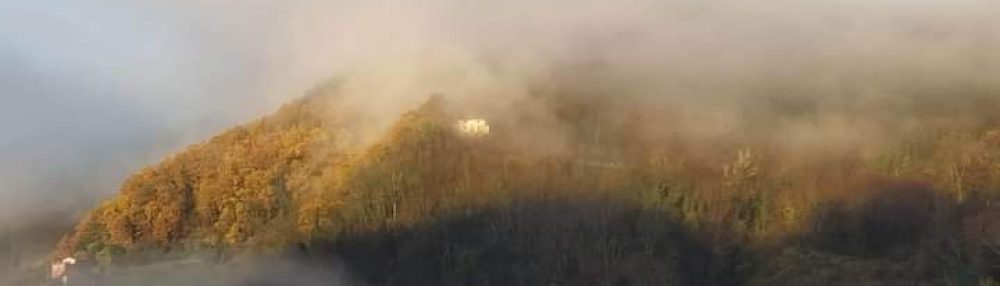
It was indeed a pity that this highly attractive festival could not continue into the following day as originally planned. However, Autumn is now truly with us: temperatures have dropped, the mountains are shrouded in mists and further thunderstorms are on their way. After all, September 23rd is the day of the solstice when days will start becoming shorter than nights…

A Commemoration of a Great Lady

In 2012 Bagni Di Lucca held a poetry competition on the subject, (appropriately for a spa town) of healing waters. The organiser was Carla Guidi and the president of the judging panel was Valeria Catelli. I sent in two entries and found that each poem had been given a prize. Valeria’s reasons for the awards was very sensitively analysed. As is often the case, the critic reveals unsuspected details in a creator’s work.

For over ten years I have contributed, as part of the teaching staff, to the Bagni Di Lucca branch of the University of the Third Age. When Fabio Lucchesi retired as the branch’s director Valeria Catelli succeeded to the post.

Quite unexpectedly Valeria sadly died last year. In her memory a newly restored gravestone in Bagni Di Lucca’s historic protestant cemetery was dedicated to Valeria last Sunday.

The ‘cimitero inglese ‘ was looking at its best in the late summer sunshine.

The ceremony was followed by a quartet and vocal recital in the town’s library, the former Anglican church.

DSCN4391~2.JPG
This was the programme:

DSCN4377~2.JPG
The quartet played with passionate elan. I was particularly taken by the Boccherini piece which was intensely dark-hued.

DSCN4394~2.JPG
The afternoon was, I felt, a fitting tribute to an exceptionally fine teacher, a great contributor to our town’s cultural milieu and a lady I have been very privileged to work with.

DSCN4379~2.JPG

Over the Moon

On Sunday night, 20th July 1969, we, as Cambridge undergraduates of King’s college, were returning from a party and stopped to look at the moon which was waxing crescent with around 30 per cent of its surface visible. A waxing crescent is, of course, the first phase after the New Moon and is a great time to see the features of our only satellite’s surface.

We were standing in King’s parade opposite King’s college chapel and discussing mankind’s first moon landing. Had it happened yet? We weren’t sure.

1001

At the college there was only one television set which we junior members could watch. It was placed in a rather small and not very hospitable room next to the bar. I recall never having watched anything on it except for the first episode of ‘Dad’s Army ‘which had started up in 1968.

My thoughts about the moon was that, as a symbol of the Greek goddess Artemis and the Roman Diana – the virgin goddess who swore never to marry – was now about to be violated by men. I, therefore, did not feel too excited about a new frontier of science and technology; a fresh land to be explored but, instead, saddened that this untouched satellite was about to be all but raped.

I also felt that, as the new world had been conquered by an alien civilization from Europe, the moon was about to be similarly conquered by new subjugators and that, in my old age, Saga holidays would be offering cut- price vacations to the ‘Mare serenitatis’ (sea of tranquility) or the Aitken basin, the moon’s largest crater at 1,600 miles across.

As we know, in hindsight, nothing like this did happen in the fifty years that followed that ‘giant leap for mankind’ (although people like Elon Musk might probably change all that within the next ten).

The US of A was then not particularly popular with us radical students. I was, that previous year, trampled by a horse at Grosvenor Square, during an anti-Vietnam demonstration in which police violence on a scale never before experienced in the UK had been used. The then president, Nixon, was of a similar ilk of the present POTUS, although, at least, he was able to string sentences together that made some sort of grammatical sense.

I sometimes wonder if the USA has ever been an adored ally of the UK, at least since the death of that supreme president, Franklin Delano Roosevelt.

Grosvenor square, when I visited it earlier this week, is a much changed place from that vicious mayhem of 1968. The US embassy has moved south of the river to Battersea (much to trumpet’s chagrin) and the former building is now being turned into a luxury hotel. On the lawns of the square there was live jazz, food stalls and a convivial atmosphere with people basking on deckchairs in the brilliant sunshine of a London heat wave.

The moon means so much to me. I do sense it as a supreme feminine presence and on that ravishment of her silver sex I feel that there should at least have been one woman present. Those were other times, however, and even today no woman has placed her foot on our virgin goddess satellite.

Last year there was a spectacular lunar eclipse at Bagni di Lucca and an entrancing concert was arranged on the grounds of the Villa Bonvisi in the old part of the town.

moon

If you missed this concert you can read all about it in my post at

Some Enchanted Evening

The same singer, Charlotte Potter, will be joined by Bagni Di Lucca’s own tenor Claudio Sassetti for a concert in the Circolo dei Forestieri square  this Monday at 9 pm. For more details see:

https://m.facebook.com/story.php?story_fbid=2246885345408999&id=100002626665671

Some planets in our solar system and those systems that lie beyond our cluster have more than one moon. One morning I woke up after a strange dream in which I felt I had been abducted by alien beings from another galaxy. The planetary inhabitants that had abducted me had two moons for their universe. Here is the description I wrote while still under the influence of those beings. Believe me, I am not mad, or ‘Luna-tic’, as they sometimes say!


HORIZONS

Gigantic cliffs stand peaked like wings of gulls

and cut through sky of indigo. Two moons

lie hung upon translucent pregnancy:

this is the planet where there is no sound.


At dusk spiced crimson rocks drum granite chords

which penetrate hard entrails of stilled earth,

bronze sands vibrate with fluent overtones,

ionosphere drops ultrasonic waves.


Here is the summit and below hot seas

of sapphire circle coastlines, solarized

and drawn towards cerise-soaked longitudes:

the night is stretched out like a waking cat.


La Madrina Ritrovata

La parola inglese per padrino è ‘godfather’ e per madrina, ‘godmother’. Queste parole inglesi  più chiaramente descrivono il ruolo di una persona importante come testimone al battesimo e nella cura dello sviluppo spirituale e cristiano del neonato. Qualche volta, il padrino e la madrina possono perfino assumere il ruolo di padre e di madre se per qualche disgrazia scompaiono i genitori.

Infatti, era solo nel quinto secolo che l’importanza del padrino e della madrina fu pienamente riconosciuta dalla Chiesa

Ovviamente,  la religione dei testimoni del battesimo deve essere identica a quella dei genitori e questa fu una delle tante difficoltà che dovette affrontare mia madre quando emigrò da Milano per essere col suo marito inglese a Londra.

Sposati in una chiesa vicino a Porta Nuova (Santa Maria Incoronata?) nell’aprile del 1948 mia madre era già incinta da parecchi mesi (una situazione considerata abbastanza irregolare a quell’epoca) ed entrai nel mondo il seguente agosto nell’ospedale di Lewisham, Londra Sud-Est.

Arrivata in una grande e grigia (com’era allora) città straniera, con non tanta conoscenza di una lingua, famosa per i suoi inganni semantici, la sua grammatica eccentrica  e, soprattutto, la sua pronuncia; accolta fra i parenti di mio padre, non tutti accoglienti di una sposa da un paese che pochi anni prima era nemica del Regno Unito e, soprattutto, in una nazione protestante, la Vera volle trovare una madrina per il mio battesimo (non mi ricordo chi fosse il mio padrino). La trovò proprio tra i parenti del mio babbo poiché la madre del marito proveniva da una famiglia di cattolici decaduti. Fui battezzato nel Chiesa di Saint Saviour a Lewisham.

th.jpeg

Mia madre entrò in grande amicizia con questo parente che, invece, rimase cattolica. Era una cugina di mio padre e si chiamava Helen Irene Search. Di lei mi ricordo poco. Nel 1954, fu colta da un cancro, e andai con la mamma a visitarla in un ospedale. Mi ricordo la faccia docile  di Helen (di fotografie non possiedo nemmeno una) e della voce flebile, ma soave.

Poco dopo succedé l’inevitabile. Mia madre era in Italia e mi raccontò che ricevette una lettera dal marito, non con il bordo nero, ma con le parole scritte sulla busta ‘leggila in un posto quieto. Questa lettera contiene una triste notizia’.

Per mia madre la morte di una sua carissima amica, una tra le poche, che l’aveva accolta con amicizia genuina tra i nuovi parenti acquisiti in un paese straniero, l’unica della stessa religione e, certo, dello stesso livello d’intelligenza e intuizione, fu un colpo particolarmente duro. Mi ricordo che, specialmente nei primi anni dopo la scomparsa, mi portava in visita al cimitero, dove la madrina fu sepolta, quello di Erith. Il camposanto era steso su una collina non lontano dal Tamigi ,che in questa zona nell’est di Londra assume una misura quasi di grande estuario.

Un giorno soffiava un vento talmente forte dall’est che, bimbo che ero, quasi non riuscivo a starmene in piedi e non volevo attraversare il cimitero per raggiungere la tomba. ‘Forza,’ disse mia madre, ‘non vuoi visitare la tua madrina?’ E così arrivai al sepolcro.

Anni dopo, quando ero docente nel collegio di Erith, mi resi conto che il cimitero dove era sepolta la madrina era vicino e così feci una visita in compagnia di mia moglie, Alexandra. Fu facile allora distinguere la tomba e l’iscrizione si leggeva chiaramente.

La settimana scorsa sono ritornato (anche qui, anni dopo) al luogo nel cimitero, dove mi ricordavo, era sepolta Helen. Passai più di un’ora a cercarla ma senza successo. Chiesi un guardiano se mi potesse aiutare; mi riferì a un numero di telefono del servizio del comune per le sepolture. Lo chiesi ‘Ma forse è stata esumata la tomba?’ ‘Affatto’, rispose. ‘Qui, quando si seppellisce, la tomba rimane lì per sempre. Sarà soltanto il tempo a farla scomparire nelle tenebri della terra. ‘

Due giorni dopo una impiegata del comune mi mandò un email col numero e il reparto dove mia madrina fu sepolta.

Ritornai a Erith e riconobbi il guardiano del cimitero che mi aiutò a trovare quasi subito la tomba. Dico ‘quasi subito’ poiché molte tombe erano state allampanate dai cespugli, gli arbusti e le piantine grasse.

DSCN1326~2.JPG

Comunque l’ho ritrovata: l’ultimo luogo terrestre della madrina.

DSCN1352-1.JPG

Dovetti fare un po’ di pulizia per levare le piante dall’iscrizione segnando il suo nome, la data di morte (13 gennaio 1954), l’età alla morte, (quaranta tre anni) e l’iscrizione ‘Rest in Peace).

DSCN1358.JPG

Non avevo portato dei fiori con me ma raccolsi qualche margheritina e quelle piantine grasse col fiore giallo e le misi in un contenitore alla testa della tomba.

Mi ricordo che il monumento fu sistemato dalla famiglia immediata di Helen come pure che la tomba era una volta sempre curata. Che fine ha fatto quella famiglia?

Toccava proprio a me il figlioccio a far rivedere di nuovo al mondo il suo nome.

Forse toccherà anche a me di trovare uno scalpellino a rimettere a posto i marmi del sepolcro. Almeno la mia madrina ha ricevuto una visita. Altro che una memoria tenue, possiedo di lei un solo libro, ‘il libro della giungla’ di Rudyard Kipling, con i suoi favolosi racconti di Mowgli, Shere Khan la tigre, Baloo l’orso, e Rikki-Tikki-Tavi, la mangusta che salva la vita del ragazzino da Nag il cobra, uccidendo il serpente.

rikki-tikki-tavi-1

E’ un libro favoloso, uno dei miei preferiti; una collezione di racconti che m’ispirò anni dopo a fare l’autostop, come teenager, fino all’India, nel quale paese meraviglioso, più tardi poi, restai per due anni e che rivisitai con mia moglie nel 2000 e nel 2017.

Via con il vento:

la memoria s’oscura

ma resta il cuore.

Ucciso e non Solo Morto

‘La morte e le tasse sono le due cose più certe della nostra vita’. Così scrisse l’autore di ‘Robinson Crusoe’, Daniel Defoe, nel suo libro ‘La storia politica del diavolo’ nel 1726. Aggiungerei che per molti si potrebbe unire anche l’amore. Non tutti, però, sono così fortunati di ricevere quest’ultima benedizione.

Uno che era certo amato ma che non era così fortunato era un mio alunno, L. S. Avete mai visto una persona uccisa davanti ai vostri occhi? Essere presente quando uno muore è già straziante ma, almeno, nel recente caso di mia moglie, era vicina alla mamma quando la madre spirò.

Vedere una persona uccisa però è totalmente insopportabile; pensare che in questi momenti, in qualche parte del mondo le mamme vedano i loro figli uccisi davanti ai propri occhi e vice versa.

Londra sta transitando una terribile fase di assassini con coltelli – quattro il week-end scorso. Poi c’è stato quel lancinante caso quando una donna incinta fu accoltellata. Morì; il figlio sopravvisse alla nascita ma purtroppo non c’è la fatta due giorni dopo.

Questi sono crimini d’intento ma poi ci sono uccisioni per caso e la piaga più terribile dei giorni nostri sono gli incidenti stradali. Se ne vedono ogni giorno ma quel maledetto dì del dicembre 1992 ero testimone a una morte che si è svelata davanti ai miei occhi in un istante ma che scorre ancora nel cervello come un film rallentato.

Ero in motocicletta diretta al collegio, dove ero docente. Prima del collegio, c’è un passaggio pedonale ben segnalato con le strisce e i segnali che sono premuti dal pedone che desidera attraversare la strada difronte.

Pronto per passare, vidi un mio alunno, L. S. Faceva parte della mia classe per i diversamente abili, una classe nella quale insegnavo come usare il computer. Lo studente ed io ci siamo visti. Le luci per gli automobilisti erano in fase di cambiare dal verde al rosso (così fanno in Inghilterra). Mi sono rallentato, aspettando il rosso. In un istante lo studente ha fatto una rapida corsa attraverso la strada senza voler notare che per lui il segnale dava ancora il rosso per i pedoni. Ahimè! Nella corsia opposta della strada scorreva una macchina a velocità non elevata (cioè non superiore a trenta miglia – cinquanta kilometri – l’ora, permessa in zona.) L’autista, un vietnamita, non fece a tempo a frenare davanti all’alunno. Il cofano della macchina urtò contro il poveraccio che fu gettato come un pallone, scaraventandolo affinché finì faccia in giù sul pavimento.

Subito, vedevo dal sangue che scorreva dal cranio che la sua sopravvivenza sarebbe stata un miracolo. L’ho osservato per un istante insopportabile. Poi sono corso dentro il portale del collegio a chiedere aiuto da quelli che erano ammaestrati nel primo soccorso. La preside, che era vicina all’entrata, è corsa fuori anche lei ma non c’era niente più da fare. Il resto lo sanno quelli di noi che abbiamo dovuto passare tale situazione: la polizia, l’arrivo dell’ambulanza, la telefonata ai genitori, e la preside in lacrime che mi chiese di stringerla, disperata che un suo alunno sia stato ucciso su quella maledetta strada.

Come l’unico testimone dell’incidente fui presente qualche giorno dopo al ‘coroner’s court’ (tribunale dove presiede il coroner – l’ufficiale che indaga casi di morti sospette). Furono presenti, ovviamente i genitori e il vietnamita che guidava la macchina. Quest’ultimo era particolarmente disperato, pensando che sarebbe stato messo in prigione, oppure espulso dal paese con la sua famiglia.

Il coroner era Sir Montague ‘Monty’ Levine, detto il più particolare rappresentante della sua professione a Londra. Nato nel 1922 e scomparso solo nel 2013 fu inoltre medico ai primi ministri inglesi. Nato a Manchester, figlio di emigrato dall’Europa dell’est, ‘Monty’ era famoso per il suo ‘look’ distintivo: baffi ‘a manubrio’, gilet a colori psicodelici e una rosa all’occhiello che raccoglieva dal suo giardino quando si alzava alle sei e mezza ogni mattina. ‘Monty’ fu presente anche per il caso infame del 1993 quando Stephen Lawrence, anche lui un alunno del mio collegio, fu ucciso da una banda di bianchi a una fermata dell’autobus nel vicino comune di Eltham. In quell’occasione ‘Monty’ disse schiettamente: ‘Stephen fu ucciso da una banda di ragazzi codardi bianchi solo perché il suo colore era nero’. In un’altra situazione, quella di Richard O’Brien arrestato perché ubriaco e morto mentre nella custodia della polizia, ’Monty’ concluse che gli agenti erano colpevoli di una totale ignoranza di tattiche corrette di contenimento.

Vedevo che l’aspetto abbastanza distintivo di Sir Montague Levine aveva un uso pratico; cioè di ammorbidire le situazioni soventemente intollerabili sulle quali doveva pronunciare giudizio. Nel caso del mio alunno la conclusione era che era una fatalità sfortunata e che nessuno era colpevole. La maniera diplomatica di ‘Monty’ la ricorderò per sempre. Portò calma in una tristissima situazione – una cosa difficilissima da compiere. Peccato che ci siano così pochi ufficiali del suo stampo oggigiorno.

L’altro giorno ho visitato il cimitero, dove è sepolto il mio alunno. Sono passati quasi venti sette anni da quando è morto quel dicembre poco prima del Natale (penso che i suoi regali natalizi fossero già comprati e messi attorno all’albero).

Aperto per la prima volta nel 1855, il cimitero di Charlton ospita due belle cappelle (protestante e cattolica). Tra le tombe ci sono parecchie di ufficiali militari, dato la presenza delle caserme del vicino Woolwich.


Due tombe mi hanno particolarmente fatto impressione.

Questa con i due levrieri fedeli:

Questa, che mi fa ricordare un poco quella di Ilaria del Carretto a Lucca e anche quella di Ouida nel cimitero inglese di Bagni di Lucca.


Sono poi arrivato alla tomba del mio alunno.  Rispettando la privacy mostro solo i fiori e l’iscrizione che lo descrive come ‘gigante gentile’ – un’enunciazione perfetta poiché alto e robusto lo era ma anche mite e dolce.

DSCN1034~2.JPG

Qui però sulla tomba quella parola ‘killed’ (ucciso) e non la solita ‘passed away’ oppure ‘died’ (morto) mi ha riportato a quel terribile momento nel quale l’ho visto ucciso davanti ai miei occhi.

La fragilità:

il nome della vita

sempre si scorda.


Pride in Gay Pride

On the occasion of the five hundredth anniversary of the death of Leonardo da Vinci and on the occasion of the Gay Pride parade of Tuscany, which will take place in Pisa on 6 July, the “Ippolito Rosellini” cultural group, with the Patronage of the Municipality of Vicopisano and the ‘Pink riot Arci gay’ association, has organized an exhibition with the theme “Eros at the time of Leonardo da Vinci”.

The exhibition, curated by Giovanni Ranieri Fascetti, presents, through images and texts, from the 1400s and 1500s, homosexual and heterosexual love during the time of the great genius. Leonardo, along with many artists and writers of his era, contributed decisively to a veritable revolution in thoughts and customs: by bringing men’s attention back to nature and the beauty of our human bodies.

Re-reading Kenneth Clark’s seminal work ‘The Nude’ I realise that a heavy blow was dealt to the predominance of medieval sexophobia and to that sense of sin (just look at Charles Kingsley’s novel – of ‘Water Babies’ fame – ‘Hypatia’ in this respect) which for centuries had oppressed western humanity and was used by the ruling classes to consolidate their wealth and power.

This revolution led to a rediscovery of classical myths and a properly primordial conception of life: it was a weapon for the destruction of homophobic and sexophobic fanaticism against beauty; that beauty pervading works of true genius. Without it such masterpieces as Botticelli’s ‘Birth of Venus’ could never have been conceived.

The location of the exhibition, Vicopisano’s Palazzo Pretorio, is not accidental: in 1503 Leonardo da Vinci was in Vicopisano engaged in the development of projects for the conquest of Pisa. That ambience, hosting the exhibition with its ancient secrets, serves, with its atmosphere of a dark and repressive place, to give an idea of ​​how terrible punishments could be for ‘sexual faults’.

1280px-Una_cella_del_Palazzo_Pretorio_di_Vicopisano

My parents were divided in this celebration of emancipation of love independence of gender. My father still thought of that category of ‘queers’. My mother, as a psychoanalyst, had a soft spot for what Oscar Wilde described as ‘the love that cannot be told’, although, paradoxically, she couldn’t stand lesbians, or even women wearing trousers.

Times have changed, fortunately, in many parts of the world. I am not afraid to admit my encounters in my teens with same-sex relations. I see them as fun, not serious, and as a positive development in my final decision to go for heterosexuality in the love for my partner.

Yet, to this day (recently, most notoriously in Brunei), there are many parts of the world where marriage (let alone love) is still regarded as only heterosexual, to be punished otherwise by the secession of life in the loving partners.

Those days when a woman would lie flat on a bed and ‘think of England’ while her male partner penetrated her, in the hope that she would produce an heir worthy of the nation, have long long since passed.

May we hope that such times disappear and that love may be re-established throughout the world, regardless of sex, gender, or whatever other fashionable nomenclature may be applied to it, as the sole redeeming and truly godly essence that will save our beautiful and so sadly threatened world.

In this respect I note that Bagni di Lucca, under its former and admirable mayor Massimo Betti, celebrated its first gay marriage, of which I was the officiant, at Pian di Fiume, over eight years ago and that, since the legge Cirinna’ of 2017, same-sex civil marriages have become sanctioned under Italian law. Indeed, we attended such a marriage in the same fortress of Vicopisano where the Eros exhibition takes place, this year. For more details on that see my post at https://longoio3.com/2019/04/20/civil-union-at-vicopisano/

May LOVE ever be told. FOR EVER NOW.

“Eros during the time of Leonardo da Vinci” will be inaugurated at 9pm on Friday 5 July and will remain open to the public until 30 July every Saturday, from 3.30pm to 6pm and Sunday from 10am to 12.30pm and from 3pm to 6 pm. Admission is free.

Time for Revisione

I’ve often been asked…I’ve sometimes been asked…someone asked me once: ‘can you recommend a decent garage around Bagni di Lucca?’

Depends really what one is looking for.  Do you have a car, a motorbike, a scooter, an ‘automobile d’epoca’ (vintage car), for example?

My scooter MOT came up this June. MOT is called ‘revisione’ in Italian and the first MOT has to be done four years after the scooter has been registered (immatricolata) for the very first time. Thereafter, it’s due every two years.

Checks are carried out on the following:

  1. Documents relating to the vehicle.
  2. Brakes.
  3. Exhaust gas.
  4. Noise level.
  5. Lights including beam alignment.
  6. Check to see if the original vehicle specifications have been changed without authorisation.

If the revisione is successfully passed then a stamp is placed in the vehicle’s ‘libretto di circolazione’ (vehicle registration document). If it isn’t then there are two options. Either the revisione is to be repeated or, in the worst cases, the vehicle is ‘sospeso’ or withheld from going on the road again.

The best place to have a revisione for a car in Bagni, in my opinion, is the one just to the right of the road leading to Fornoli railway station. For a motorcycle or scooter then the best choice is Lombardi at Pian Della Rocca, between Borgo Penny Market and Calavorno.

The standard charge for a revisione is, for 2019, Euro 65.

Many garages in Italy are veritable mini-museums of nostalgic wonders. While I was myself ‘sospeso’ waiting for the results of my Aprilia Scarabeo’s MOT I wandered round the place and noticed the following, including a WW2 Italian army Moto Guzzi and a delectable Porche, quite apart from the sweet Cinquina, one of which we were the proud owners of before it ended its life (and almost ours) just over two years ago.

Incidentally,  I sold my old Triumph to Lombardi, having decided that one more avenue of pleasure, that of motobike riding, was due for closure.

For further details see Lombardi’s web site at

https://autofficina-lombardi.business.site/


Addio Elia – al nostro incontro in un luogo più felice..

Quando Elia, la mamma, di mia moglie, Alexandra, compì il suo novantottesimo compleanno lo scorso dieci giugno, mi trovavo alla casa sua di Londra; noi tre abbiamo celebrato questo grande avvenimento della sua vita pensando proprio che ci sarebbe stata una festa ancora più bella quando, tra due anni, la mamma avrebbe compiuto il suo centenario.

Purtroppo la vita rimarrà sempre un susseguirsi di avvenimenti oscuri e di mete mai raggiunte; il pomeriggio del martedì scorso, il venti cinque giugno, la persona che diede nascita a mia moglie di oltre quaranta anni, Alexandra il più grande dono della mia vita, è volata in cielo con il suo angelo custode, a essere nell’amore eterno del Creatore.

Nata a Vittorio Veneto, poco meno di tre anni da quella grande vittoria, gloriosa e amara nello stesso tempo, firmata dal Generale Diaz, le parole della quale proclamazione, si possono trovare in ogni municipio d Italia (incluso, si capisce, Bagni di Lucca), crebbe in un difficile dopoguerra quando l’intera regione veneta era ancora un luogo dove tanti fuggivano per le più prospere regioni Lombarde.

img582 (2)

Elia Piaia nacque vicino al fiume Meschio, che scorre tra i due antichi centri di Ceneda, luogo di nascita del librettista di Mozart, Lorenzo da Ponte, e Serravalle, la fortezza che proteggeva la Serenissima dalle incursioni austro-ungariche. Solo dopo l’unificazione dell’Italia furono i due luoghi uniti in un municipio col nome ‘Vittorio’, in onore del nuovo re, e solo due anni dopo la nascita di Elia fu aggiunto il nome ‘Veneto’. Quante vie chiamate ‘Vittorio Veneto’ ora si trovano in Italia!

Grazie all’industria intraprendente della famiglia veneta di Colussi, fondata nel 1911 da Giacomo, originario di Belluno, fu stabilita una fabbrica per la manifattura dei famosi biscotti (cito solo il nome di Baicoli) a Vittorio Veneto del 1936 e qui la giovane Elia trovò impiego. Fu nello stesso anno che colpì il terremoto del Cansiglio che Elia mi raccontava sempre con quello stesso senso di paura di allora.

La Seconda Guerra seguì poco dopo e anche qui i suoi racconti di fame e povertà mi fecero capire come sia stata quella carestia. La felicità non fu mai persa, però, e le scampagnate sull’altipiano del Cansiglio col fragore dei suoi abeti fu un sollievo dal calore estivo che affligge la pianura attorno alla citta di Vittorio Veneto.

Poco dopo la fine di un conflitto che lasciò una nazione inginocchiata, pressoché azzerata nelle sue infrastrutture, ma con un devoto spirito di riafferrare, Elia prese una decisione che poche donne di allora, con la mentalità di un’etica dove era l’abitudine per le femmine di sottomettersi alla volontà della famiglia patriarcale, dove per le donne viaggiare da solo fu considerato quasi una vergogna, dove andare a un paese ex-nemico, senza neppure conoscere la lingua e i costumi: aveva di uno spirito di coraggio eccezionale.

Elia, dunque, prese la decisione di emigrare in Inghilterra. Trovò lavoro presso il Duca di Norfolk, il cugino di Sua Maestà e l’unico cattolico di quella famiglia, ricusante della chiesa protestante e Lord del magnifico castello di Arundel. Qui incontrò un altro impiegato Italiano del duca. Tra di loro sbocciò un amore invincibile che durò fino alla scomparsa del Cavaliere Dino Cipriani nel 2008 e del quale fu frutto la nascita della figlia Alexandra, fiore della mia vita.

dino elia young

Il Regno Unito anch’esso si trovava in guai estremi dopo quella guerra. Mi ricordo, per esempio, che solo nel 1954 furono aboliti i libretti per i coupon di razioni. L’Italia non doveva solo ricostruirsi economicamente ma anche riprendersi la stima che, una volta, teneva nella mente degli inglesi. Molti furono gli esempi che oggi si chiamerebbero razzisti contro gli italiani esteri d’Inghilterra: parolacce, scritti osceni appiccicati sui cancelli, lettere anonime, minacce – le solite cose che non ci dovrebbero far male, ma che lo fanno invece.

Allo stesso tempo, però, Elia mi disse che si sentiva più libera che mai in Inghilterra, lontana dalle pettegolezze e le malizie del suo paese natio.

dino006

(Saint James Park, London)

Fu il conte Umberto Morra di Lavriano, scrittore, giornalista e anti-fascista ad assistere a rimettere la dignità dell’Italia nel suo giusto posto. Negli anni 43-45 collaborò col governo Badoglio a Bari e incontrò Ian Greenlees col quale ritenne una lunga amicizia.

Copy of new folder050a

(Nel castello del Conte Morra)

In particolare, fu la fondazione dell’Istituto Italiano a Londra, del quale Morra fu direttore dal 1955 al 1959, che aiutò tanto a ripristinare l’onore e il valore del bel paese per i sudditi di Sua Maestà. Ad assistere in questo compito furono il mio suocero, Cavalier Dino Cipriani, il segretario generale dell’istituto per più di quarant’anni e mia suocera Elia che si curava della reception e, in più, aprì un ristoro nell’istituto, dove gli inglesi potevano gustare i suoi squisiti mangiarini.

A pensare quanti illustri siano passati per i portoni dell’elegante edificio dell’istituto a Belgrave Square: Bernard Berenson, Ian Greenlees, Kenneth Clark, Ted Hughes, Camillo Pennati, Giuseppe Ungaretti, Luciano Berio in compagnia di Paul McCartney e … Franco Zeffirelli per dire quelli che mi vengono in mente per primo.

Elia amava appassionatamente il suo giardino che teneva elegantissimo come un salotto. Leggeva tanto: per esempio, conosceva tutti i romanzi di Jane Austen in italiano e in inglese. Amava la musica – il coro degli schiavi da ‘Nabucco’, in particolare. Era apprezzata da tutti e poteva parlare con ogni persona, non importa se famosa o no. Certo, la società che frequentava l’istituto quando era impiegata la stimolava, ma senza mai intimidirla.

Elia ha trovato un posto nel cuore anche per Bagni di Lucca. Infatti, la sua ultima Pasqua l’ha passata qui. Mi ricordo a quell’istante il bel gesto di Marco Nicoli quando la invitò a pescare i numeri vincenti della lotteria a Fornoli.

Image00010

E le sue caminate li faceva sempre:

Image00010

(Alla chiesina di Longoio)

In ogni cosa Elia era una perfezionista; la sua vita sarà un esempio per tutte quelle persone fortunate di aver conosciuto una donna pioniera dei suoi tempi: una signora moderna in un’altra epoca, una valida contribuente a ripristinare l’onore e l’apprezzamento dell’Italia all’estero e un ricordo, che rimarrà sempre fresco, come la sua carnagione che soleggiava di gioventù fino a quel traguardo che tutti dovranno raggiungere, non si sa quando e non si sa come.

A Dio cara Elia!

Image00087

(Elia questa Pasqua)

What? Another One Missed?

When I married I moved back to London. Clearly my main priority was to get a job promptly and I found it with the London Tourist Board. Among my duties were answering face-to-face tourist enquiries at three main locations: the Tower of London, Harrods, Victoria station (mainly hotel bookings) and in a phone pool at the tourist board’s main office.

Let’s remember that the internet had then not reached us yet. We were given personal folders of essential information ranging from places to visit, to transport, accommodation, restaurants and other issues facing travellers to the UK. In the main office the shelves were filled with guidebooks, leaflets and maps.

It’s incredible to think that today all one has to do is to google what one needs to know….or is that all one has to do?

There is nothing to replace a friendly human face who can sympathetically help a bewildered traveller. There is nothing to replace a table laid out with current leaflets relating to events and places to stay. Indeed, there is nothing to replace a tourist office, a travel agent, or even just an information point.

It’s now several weeks since Bagni di Lucca’s tourist information centre and internet point has been closed by mayor Michelini in order to save money, mainly by firing its one devoted and efficient staff – and the effects are already being felt all around.

With an economy largely dependent on tourism the mayor’s decision is a crass example of self-injury to the whole community. There are few comuni in our part of the world that don’t have an information point; Borgo a Mozzano even has two, one in the centre of town and the other on the approach road.

Can it be that Bagni di Lucca doesn’t want tourists to visit it? Certainly, in the case of some Italian cities, Venice in particular, there is clearly a surfeit of visitors? But Bagni di Lucca? Just look at Villa’s high street and note the number of closed down shops and bars.

It’s all so sad and short-sighted and will badly affect the future of Bagni, already in increasingly dire straits.

Things came to a head last week when a troupe of English Morris dancers, who had been scheduled by the tourist office to perform in Bagni’s main square, found themselves trying to dance in a square with cars constantly interrupting them with their parking manoeuvres because, with the demise of the tourism executive, there was no-one to organize the event properly. Indeed, there was not even any noticeable publicity.

So the local Italians never got a proper chance to see the very first example of traditional Morris dancing to take place in Bagni’s history.

I wonder how many other events will take this format during our town’s summer season?

Inadequate publicity and risible organization are not confined to Bagni di Lucca, however. For several years I was English editor and occasional article writer for the Luccamusica magazine which, under the aegis of Francesco Cipriano, provided a very complete panorama of music events in and around our province. Regrettably, the magazine was later reduced to an on-line presence only when funding was withdrawn but it still provided a wonderful picture of the intensity of musical activity in Lucca province. As I wrote somewhere, with regard to the two towns’ former historically independent status, with their own court orchestras and famed composers, if Salzburg is the Lucca north of the Alps then Lucca is certainly the Salzburg south of that mountain range.

Worse was to follow when Francesco sold the magazine and its web site to a noted Lucca Puccini festival conductor and organizer at the end of 2018. The web site is still there but no current events are listed; indeed the old panel’s names (including my own) have still not been changed.

It’s truly boring now to have people telling me ‘if only I’d known that concert was on!’ The only solutions are:

1. To take photos of any poster of interest one sees.
2. To regularly visit those tourist offices that still exist.
3. To browse through the web sites of places one knows have things happening. e.g. Lucca, Viareggio etc.
4. To be a subscriber to that excellent monthly magazine ‘Lucca Grapevine’ with its pull-out events section. (It’s both on paper and on-line).
5. To pick up a free copy of Lucca.news (if you can find one – try the local bars). This publication is particularly good on local sagre and festivals and has some excellent articles ranging from history to recipes (in Italian, however).

I just hope the publicity situation improves soon in our part of the world. It certainly can’t get worse.

IMG_20190625_111300_hdr~2


Una Miriade di Adorazioni

Come metropoli internazionale Londra può non solo offrire ogni tipo di cucina, non solo ogni varietà di spettacolo ma, come si riflette nel suo aspetto multiculturale, ogni specie di esperienza religiosa.

Questa domenica passata, per esempio ho partecipato al rito anglicano Cristiano nella squisita chiesa di Saint Lawrence, Whitchurch.

Di origine mediovale, come si vede nella sua torre,

DSCN0746~2.JPG
la chiesa fu ristrutturata da James Brydges, duca di Chandos, in pieno stile barocco nel 1714.

Gli affreschi di Laguerre, il dosalle, le statue dipinte in grisaille, l’elegante soffitto demi-arcato sono veramente decorazioni rare in un Inghilterra abituata a ornamenti più sobri per le sue chiese.

La gloria suprema della Chiesa di Saint Lawrence è che qui, dal 1717 al 1720, fu direttore musicale il sommo compositore George Frederick Handel, come si vede in questa lapide.

DSCN0728.JPG

Tra le sue composizioni per il duca sono gli undici Chandos Anthems che rimangono tra i miei preferiti brani musicali.

La Chiesa anglicana ha un rito che, in molte maniere, riflette l’ordinario della Chiesa Cattolica Romana, con solo queste differenze principali:

1. L’autorità del Papa non è più stata ammessa, dal cinqecento.
2. L’Eucaristia non considera la transustanziazione del corpo e del sangue di Cristo nel pane e nel vino ma solo il simbolo della sua presenza.

Tutto il resto rimane simile: il segno della pace, la benedizione, il colpire del petto nell’atto della confessione. Infatti, la comunione si riceve non in fila ma attorno alla balaustrata, come accadeva un tempo in Italia.

Ritornando dallo sobrio rito anglicano mi sono trovato nella folla che stava festeggiando la grande festa in onore del Dio indù Shiva. La Ratha (carro) Yatra (pellegrinaggio), la festa del carro, si celebra ovunque nel mondo indù e tutte le fedi sono invitate a partecipare poiché, sebbene ci siano molti modi per adorare la divinità che ci ha creati, Dio rimane sempre uno, immutabile, eterno e pieno di amore per noi.

Ricordiamo che fu proprio un Italiano, Odorico di Pordenone, a riportarci per la prima volta una descrizione di questa suggestiva festa nel 1321, una festa che ora si è diffusa in tutto il mondo (ricordiamo quella di Viareggio).

Ratha Yatra si riferisce in particolare alla grande festa nella quale partecipai molti anni fa a Puri in Orissa, India dove un gigantesco carro trasporta le divinità di Jagannath (avataro di Vishnu), Balabhadra (suo fratello) e Subbadra (la sorella).

A Londra la più grande sfilata è stata a Hyde Park ma io l’ho goduta nel strade periferiche di Wembley. Il contrasto tra le tipiche casette bifamiliare londinesi con i celebranti, per la più parte del tempio Tamil di Shiva, era molto pittoresco.

Le sari strabilianti delle donne, l’orchestra di tamburi e shenai, le offerte ai dei di frutta e noce di cocco mi hanno trasportato a quei posti così cari a noi di Kerala e Tamilnadu, l’ultimo visitato solo nel 2017.

Che straordinario vivere in un paese dove a fianco l’uno e l’altro si trova moschea, tempio, chiesa, sinagoga e tabernacolo in piena armonia. A Londra questo rimane ancora possibile. Intanto in luoghi come la Siria, il medio Oriente, lo Yemen…….perché!!!!!

DSCN0860.JPG

(Moschea, tempio e chiesa, una dopo l’altra in un paese dove la tolleranza rimane ancora una virtù).