Jonathan Powell: A Genius Among the Tatra Mountains (1969-2025)


(From left: Jonathan Powell, me, and David Conway,: A historic evening at Levoca’s Indian Summer Festival, a meeting of three former King’s College, Cambridge students united by music.)


Few artists combined talent, passion, and depth like Jonathan Powell. Pianist and composer of extraordinary skill, his genius was not only in flawless technique, but in the ability to bring complex and little-known works back to life. Composers such as Kaikhosru Sorabji, known for the extreme difficulty and length of their works, were for him challenges to embrace with enthusiasm and meticulous precision. Jonathan loved exploring details, discovering rare harmonies, and resurrecting forgotten musical texts, presenting their beauty to audiences with fidelity and unique sensitivity.


Jonathan was also a man of strong principles. When Russia invaded Ukraine, he decided to suspend any performance of Russian works until further notice. Tears in his eyes, yet firm and morally consistent: a gesture demonstrating how deeply his heart and his art were connected to the world around him.


A Unique Meeting in Levoca
Our first and only meeting with Jonathan took place at the Indian Summer Festival, organized by David Conway my former Kings College Cambridge University contemporary, and his wife Nadia, extraordinary promoters of high-quality music. It was a special evening: for the first time, three former King’s College, Cambridge students came together, even though Jonathan was twenty years younger than us.


His performance was hypnotic: a continuous flow of pieces without interruption, hands moving across the keys at almost impossible speed. He asked the audience not to applaud between pieces, invoking the discipline of great artists such as Keith Jarrett or Glenn Gould, who maintained complete control over their performance conditions.


Jonathan loved to dress entirely in white, reminiscent of Klaus Kinski, reflecting his intense, slightly theatrical personality, always part of his musical and visual identity.


Family and Dedication
Jonathan often performed in duet with Irena, his wife, creating moments of great intimacy and musical perfection. They lived in a secluded house in the Tatra Mountains, near the Ukrainian border. In addition to Irena, he leaves two beloved children, inheriting not only his love but also his sensitive and creative spirit.


(A magical duet by Paderewski evoking the beauty of the Tatra Mountains and played by husband and wife team Jonathan and Irena Powell at the Levoca Indian Summer festival 2025).


David recalls how it was impossible to take your eyes off Jonathan’s hands: they moved so fast across the keys they seemed to disappear, while the music filled every corner of the hall.


Life and Humanity of a Genius
Jonathan was not just a musician. Like many geniuses, he had intense sides and deep passions, sometimes imperious, and moments of fragility that emerged in his personal messages. His momentary anger does not define him; it reminds us that even extraordinary people face human challenges.


An Immense Loss
The news of his sudden death on December 27 left us stunned and saddened. His legacy will continue to grow, through every note played, every work interpreted, and through every listener discovering his art.

A memory of his energy on stage.
Jonathan Powell remains a beacon: a musical genius, a man of great heart, a beloved husband and father. His memory lives on through the notes he left behind and in the hearts of those who listened.

“A thousand notes unsung,
fingers stilled too soon.
The world waits for what never came,
yet in silence, your music burns.”

***
ITALIAN VERSION

Da sinistra: io, David e Jonathan Powell. Una serata storica al festival Indian Summer.


Pochi artisti uniscono talento, passione e profondità come Jonathan Powell. Pianista e compositore straordinario, il suo genio non era solo nella tecnica impeccabile, ma nella capacità di far rivivere opere complesse e poco conosciute. Compositori come Kaikhosru Sorabji, noti per le difficoltà estreme delle loro opere, erano per lui sfide da affrontare con entusiasmo e precisione maniacale.


Jonathan era anche un uomo di principi forti. Quando la Russia ha invaso l’Ucraina, decise di sospendere qualsiasi esecuzione di opere russe fino a nuovo ordine. Lacrime agli occhi, fermezza e coerenza morale: un gesto che dimostrava quanto il suo cuore e la sua arte fossero profondamente legati al mondo intorno a lui


Un incontro unico a Levoccia
Il nostro primo e unico incontro con Jonathan avvenne al festival Indian Summer, organizzato da David e sua moglie Nadia, entrambi straordinari promotori di musica di qualità. Fu una serata speciale: per la prima volta, tre ex studenti del King’s College di Cambridge si ritrovavano insieme, anche se Jonathan era vent’anni più giovane di noi.

Jonathan Powell e David, dietro le quinte del festival.
La sua performance fu ipnotica: un flusso continuo di pezzi senza interruzioni, le mani correvano sui tasti in una sequenza quasi impossibile da seguire. Chiese al pubblico di non applaudire tra un pezzo e l’altro, richiamando la disciplina di grandi come Keith Jarrett o Glenn Gould. Jonathan amava vestirsi completamente di bianco, come Klaus Kinski, riflettendo la sua personalità intensa e leggermente teatrale.


Famiglia e dedizione
Jonathan suonava spesso in duetto con Irena, sua moglie, creando momenti di grande intimità e perfezione musicale. Vivevano in una casa isolata tra le montagne Tatra, vicino alla frontiera con l’Ucraina. Oltre a Irena, lascia due figli amatissimi, che hanno ereditato non solo il suo amore, ma anche il suo spirito sensibile e creativo.

Duetto magico immersi nella bellezza delle montagne Tatra. David ricorda come fosse impossibile distogliere lo sguardo dalle mani di Jonathan: si muovevano così rapidamente sui tasti che sembravano scomparire, mentre la musica riempiva ogni angolo della sala.


Vita e umanità di un genio

Jonathan non era solo un musicista. Come molti geni, aveva lati intensi e passioni profonde, talvolta imperiosi, e momenti di fragilità che emergevano nei suoi messaggi personali. La sua rabbia momentanea non definisce la sua vita: ci ricorda che anche le persone straordinarie affrontano sfide umane profonde.


Una perdita immensa
La notizia della sua morte improvvisa il 27 dicembre ci ha lasciati increduli e addolorati. La sua eredità continuerà a crescere, attraverso ogni nota suonata, ogni opera interpretata, e attraverso ogni ascoltatore che scoprirà la sua arte.

Un ricordo della sua energia sul palco.
Jonathan Powell rimane un faro: un genio musicale, un uomo di grande cuore, un marito e padre amatissimo. La sua memoria continuerà a vivere attraverso le note che ha lasciato e nei cuori di chi l’ha ascoltato.

“Mille note non cantate,
dita fermate troppo presto.
Il mondo attende ciò che non è mai arrivato,
eppure nel silenzio, la tua musica arde”


England, My Vanishing Song

It isn’t anger that burns in me — it is sorrow.
A country is not a line on a map, nor a flag in the wind.
It is the echo of footsteps on a damp pavement after rain,
the smell of Sunday roast, the sound of a bell that once meant home.

For twenty years I have lived beneath Italian skies —
where light falls softer, and time walks slower.
My mother’s tongue lives here, and perhaps a fragment of my own soul.
I came because I loved the life, the laughter,
and because I feared the silence growing in my native streets.

Once, I knew every corner of my town —
the pub where we whispered dreams,
the school gates where laughter spilled like sunlight,
the roads that carried my bicycle toward freedom.
But the faces changed, the rhythms faded,
and I no longer recognised the song of the place that raised me.

Sometimes, in Bagni di Lucca,
I hear more English than in the borough where I was born.
And I wonder — was it I who left England,
or England who quietly left me?

Do not call me bitter.
I have marched for peace, I have spoken for the unprivileged ones,
I once believed the world could be remade with kindness.
I still do.
Yet I grieve the loss of a country’s memory,
its heartbeat of decency, of gentle pride, of small, human beauty.

Oh, England —
you were my first love,
and now I can only speak to you in elegy.
You live in the shimmer of my childhood fields,
in the bluebells of Abbey Woods,
in the sunsets over Blackheath,
in the smell of damp leaves on Greenwich paths,
in the blue dusk over the Thames.

Poor England,
how I loved you —
and how I still do,
even as you slip away,
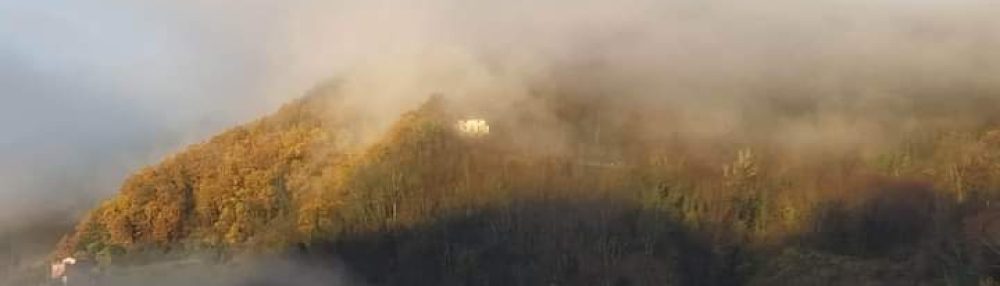
like mist over the morning hills.


Inghilterra, la mia canzone che svanisce

Non è la rabbia che arde in me, è il dolore.
Un paese non è una linea su una mappa, né una bandiera al vento.
È l’eco dei passi su un marciapiede umido dopo la pioggia,
l’odore del arrosto della domenica, il suono di una campana che un tempo significava casa.

Per vent’anni ho vissuto sotto i cieli italiani,
dove la luce cade più dolcemente e il tempo scorre più lento.
La lingua di mia madre vive qui, e forse un frammento della mia anima.
Sono venuto perché amavo la vita, le risate,
e perché temevo il silenzio che cresceva nelle mie strade natali.

Un tempo, conoscevo ogni angolo della mia città:
il pub dove sussurravamo sogni,
i cancelli della scuola dove le risate si riversavano come la luce del sole,
le strade che portavano la mia bicicletta verso la libertà.
Ma i volti cambiarono, i ritmi svanirono,
e non riconobbi più la canzone del luogo che mi aveva cresciuto.

A volte, a Bagni di Lucca,
sento più inglese che nel borgo in cui sono nato.
E mi chiedo: sono stato io ad abbandonare l’Inghilterra,
o è stata l’Inghilterra ad abbandonarmi in silenzio?

Non chiamatemi amareggiato.
Ho marciato per la pace, ho parlato per i poveri,
una volta credevo che il mondo potesse essere ricostruito con la gentilezza.
Ci credo ancora.
Eppure piango la perdita della memoria di un paese,
il suo battito di decenza, di gentile orgoglio, di piccola bellezza umana.

Oh, Inghilterra,
sei stata il mio primo amore,
e ora posso solo parlarti in elegia.
Vivi nel luccichio dei campi della mia infanzia,
nel profumo delle foglie umide,
nel crepuscolo azzurro sul Tamigi.

Povera Inghilterra,
quanto ti ho amato,
e quanto ti amo ancora,
anche mentre scivoli via,
come nebbia sulle colline del mattino.

The Mirrored Saint

I just couldn’t shake off the juxtaposition of the sanctuary of Lucca’s ‘forgotten’ saint with the LIDL superstore next door … and so this story came out:

The Mirrored Saint

It was a morning of improbable brightness in Lucca, the kind that seems to polish even the most ordinary things until they gleam with mystery. The Sanctuary of Santa Gemma rose serenely at the end of Via Elisa, its pale façade touched by the autumn sun. Across the road, the glass frontage of the LIDL supermarket—unromantic, square, unapologetically modern—caught that same light and turned it into a wavering mirror.

To anyone passing by with a shopping list and a basket, the reflection might have gone unnoticed: the church’s dome, the crucifix above the portal, the statue of the saint herself—all flickering across the panes between posters for discounted detergents and bags of Tuscan beans. But to Clara, who had come that morning to light a candle for her mother, it was a revelation.

She stood at the zebra crossing, suspended between two worlds. Behind her: incense, marble, silence, the whisper of prayer. Before her: automatic doors breathing out the scent of bread rolls and cleaning fluid. Yet there in the mirrored glass, the sacred and the ordinary had fused—Santa Gemma’s dome floating above the supermarket logo like a benediction over commerce.

Clara entered the sanctuary first. It was cool and dim, the air perfumed with lilies and candle smoke. She knelt and looked up at the portrait of the saint: a young woman with dark eyes, their sorrow softened by a strange radiance. Gemma Galgani, mystic of Lucca, who had bled for love of Christ and seen angels as easily as others saw clouds.

Clara whispered her small prayer—no ecstasies, no visions, only the quiet ache of longing—and went out again into the glare.

Crossing to the LIDL, she hesitated before the doors. The glass shimmered; her own reflection merged with that of the sanctuary behind her. For a moment, she saw herself standing inside the church and the shop at once, a candle in one hand, a shopping basket in the other.

Inside, the hum of the refrigerators sounded like a kind of mechanical chant. She passed through aisles where the colours of packaging seemed brighter than stained glass. Yet everywhere, in the reflections on freezer lids, in the silver foil of coffee packs, she caught glimpses of arches, altars, and the faint outline of Gemma’s gentle face.

She reached for a loaf of bread—and suddenly thought of the host. She weighed apples and remembered the rosary beads that had slipped through her fingers earlier that morning. The two realities—divine and domestic—were no longer separate.

When she stepped outside again, the afternoon light had softened. The façade of the sanctuary glowed gold against the blue. In the supermarket window, its reflection seemed almost more luminous than the real thing. And Clara wondered whether it might always have been this way: that heaven’s image can sometimes be found most clearly in the world’s glass and glitter, if one only looks with the right eyes.

As she walked home with her shopping, she carried both loaves—the earthly and the heavenly—warm in her arms.


Non riuscivo proprio a scrollarmi di dosso la contrapposizione tra il santuario della santa “dimenticata” di Lucca e il supermercato LIDL lì accanto, così è uscito questo articolo:

La Santa allo Specchio

Era una mattina di una luminosità improbabile a Lucca, di quelle che sembrano lucidare anche le cose più ordinarie fino a farle brillare di mistero. Il Santuario di Santa Gemma si ergeva sereno in fondo a Via Elisa, con la sua facciata pallida illuminata dal sole autunnale. Dall’altra parte della strada, la facciata in vetro del supermercato LIDL – poco romantica, squadrata, sfacciatamente moderna – catturava quella stessa luce e la trasformava in uno specchio tremolante.

Per chiunque passasse di lì con una lista della spesa e un cestino, il riflesso sarebbe potuto passare inosservato: la cupola della chiesa, il crocifisso sopra il portale, la statua della santa stessa, tutto tremolava sui vetri tra manifesti di detersivi scontati e sacchetti di fagioli toscani. Ma per Clara, che quella mattina era venuta ad accendere una candela per sua madre, fu una rivelazione.

Si fermò sulle strisce pedonali, sospesa tra due mondi. Dietro di lei: incenso, marmo, silenzio, il sussurro della preghiera. Davanti a lei: porte automatiche che emanavano il profumo di panini e detersivo. Eppure, lì, nel vetro a specchio, il sacro e l’ordinario si erano fusi: la cupola di Santa Gemma fluttuava sopra il logo del supermercato come una benedizione sul commercio.

Clara entrò per prima nel santuario. Era fresco e in penombra, l’aria profumata di gigli e fumo di candela. Si inginocchiò e alzò lo sguardo verso il ritratto della santa: una giovane donna dagli occhi scuri, il cui dolore era addolcito da una strana radiosità. Gemma Galgani, mistica di Lucca, che aveva sanguinato per amore di Cristo e aveva visto gli angeli con la stessa facilità con cui altri vedevano le nuvole.

Clara sussurrò la sua breve preghiera – nessuna estasi, nessuna visione, solo il silenzioso dolore del desiderio – e uscì di nuovo nel bagliore.

Mentre si dirigeva al LIDL, esitò davanti alle porte. Il vetro luccicava; il suo riflesso si fondeva con quello del santuario alle sue spalle. Per un attimo, si vide in piedi all’interno della chiesa e del negozio contemporaneamente, una candela in una mano, un cestino della spesa nell’altra.

All’interno, il ronzio dei frigoriferi risuonava come una sorta di canto meccanico. Attraversò corridoi dove i colori delle confezioni sembravano più brillanti delle vetrate. Eppure ovunque, nei riflessi sui coperchi dei freezer, nella lamina argentata delle confezioni di caffè, intravedeva archi, altari e il vago profilo del viso gentile di Gemma.

Prese una pagnotta e improvvisamente pensò all’ostia. Soppesò le mele e ricordò il rosario che le era scivolato tra le dita quella mattina. Le due realtà, divina e domestica, non erano più separate.

Quando uscì di nuovo, la luce del pomeriggio si era ammorbidita. La facciata del santuario brillava d’oro contro l’azzurro. Nella vetrina del supermercato, il suo riflesso sembrava quasi più luminoso della realtà. E Clara si chiese se fosse sempre stato così: che l’immagine del cielo a volte si possa trovare più chiaramente nel vetro e nello scintillio del mondo, se solo si guarda con gli occhi giusti.

Mentre tornava a casa con la spesa, portava entrambi i pani – quello terreno e quello celeste – caldi tra le braccia.

From Slovakia to Belgravia: A Night with Hampstead Garden Opera and Monteverdi’s Poppea

This summer’s musical journey began in the medieval town of Levoča, Slovakia, where we attended the Indian summer Music Festival, beautifully curated by my former university contemporary, David Conway. Weeks later and hundreds of miles away, our musical path crossed his again — this time in the elegant surroundings of London’s Italian Cultural Institute in Belgravia, a place of deep personal significance. My wife’s father once served there as Secretary-General, where they had a flat in its aristocratic building (designed also by an Italian, Bassevi) and it was in that very building that I first met the woman who would change my life.

We had gathered for the launch of Hampstead Garden Opera’s forthcoming production of Monteverdi’s L’Incoronazione di Poppea. David Conway, Chair of HGO, opened the evening with insight, history and a persuasive reminder of why opera still has the power to mesmerise.

A Small Company with a Big Reputation

Hampstead Garden Opera — known officially as HGO trust — is one of London’s cultural success stories. Founded in 1990 by Roy Budden as a local evening class, it has since evolved into a respected charity with a clear mission: to discover and develop exceptional young opera talent. Every year it stages fully produced operas with orchestra, giving early-career singers the professional platform they need to progress to major stages.

Despite modest resources and a volunteer-driven structure, HGO consistently delivers productions of startling imagination and emotional impact. Its 2020 La Bohème won the NODA London Opera Award, while the 2023 Cunning Little Vixen triumphed at the Off West End Awards. Critics praise its risk-taking spirit; audiences love its intimacy — opera performed close enough to feel a singer’s breath.

Monteverdi: Opera Before Opera Existed

The evening’s focus was Claudio Monteverdi’s L’Incoronazione di Poppea, which HGO will stage at Jacksons Lane Theatre from 7–16 November 2025. Dr Conway challenged the conventional narrative that Jacopo Peri’s La Dafne was the first true opera. If we define opera by emotional storytelling — jealousy, seduction, ambition, betrayal — then La Dafne, he argued, is more court pageant than opera. Monteverdi’s Poppea is, by contrast, blazing with human passion.

Set in ancient Rome, the opera charts the ruthless rise of Poppea, mistress of Emperor Nero, who becomes Empress through manipulation, desire and dangerous charm. As someone put it, this is drama “somewhere between the Caesars and the Kardashians.”

HGO’s production will feature the HGOAntiqua Orchestra under Seb Gillot, performing on period instruments — promising both authenticity and edge.

When Music Becomes Memory

After the introductions came a thrilling musical preview by HGO’s cast — and a glimpse of its future stars in flight. The emotional peak of the evening was ‘Pur ti miro, pur ti godo’, the ravishing final duet from Poppea, one of the most sensual love duets ever written.

Pur ti miro, pur ti godo,
Pur ti stringo, pur t’annodo…

(I gaze at you, I delight in you;
I hold you, I bind myself to you).

As the voices entwined in hypnotic tenderness, I looked around the room and realised — almost in disbelief — that it was here, sixty-two years ago, that I first saw the woman who became the great love of my life. That duet belonged not only to Poppea and Nero, but to us, and perhaps to everyone in that room who has ever loved.

Don’t Miss It

HGO’s L’Incoronazione di Poppea promises intoxicating music, a story of dark desire, and opera at its most intimate and emotionally daring.

📅 7–16 November 2025
📍 Jacksons Lane Theatre, Highgate, London
🎟️ Hampstead Garden Opera presents Monteverdi’s masterpiece

If you are in London next November, don’t miss it. This won’t just be a performance — it will be an experience.


Dalla Slovacchia a Belgravia: una serata con l’Hampstead Garden Opera e la Poppea di Monteverdi

Il viaggio musicale di quest’estate è iniziato nella cittadina medievale di Levoča, in Slovacchia, dove abbiamo partecipato all’Indian Summer Music Festival, splendidamente curato dal mio ex compagno di università, David Conway. Settimane dopo, a centinaia di chilometri di distanza, il nostro cammino musicale si è incrociato di nuovo con il suo, questa volta nell’elegante cornice dell’Istituto Italiano di Cultura di Londra a Belgravia, un luogo di profondo significato personale. Il padre di mia moglie un tempo vi ricopriva il ruolo di Segretario Generale, dove avevano un appartamento in un palazzo aristocratico (progettato anch’esso da un italiano, Basevi) ed è stato proprio in quello stesso palazzo che ho incontrato per la prima volta la donna che mi avrebbe cambiato la vita.

Ci eravamo riuniti per il lancio della prossima produzione dell’Hampstead Garden Opera de L’Incoronazione di Poppea di Monteverdi. David Conway, Presidente dell’HGO, ha aperto la serata con spunti di riflessione, storia e un persuasivo promemoria del perché l’opera abbia ancora il potere di affascinare.

Una piccola compagnia con una grande reputazione

L’Hampstead Garden Opera, ufficialmente nota come HGO Trust, è una delle storie di successo culturali di Londra. Fondata nel 1990 da Roy Budden come scuola serale locale, si è da allora evoluta in un’organizzazione benefica rispettata con una missione chiara: scoprire e sviluppare giovani talenti lirici eccezionali. Ogni anno mette in scena opere completamente prodotte con orchestra, offrendo ai cantanti agli inizi della carriera la piattaforma professionale di cui hanno bisogno per avanzare sui palcoscenici più importanti.

Nonostante le risorse modeste e una struttura basata sul volontariato, l’HGO offre costantemente produzioni di sorprendente immaginazione e impatto emotivo. La sua “La Bohème” del 2020 ha vinto il NODA London Opera Award, mentre “Cunning Little Vixen” del 2023 ha trionfato agli Off West End Awards. I critici ne elogiano lo spirito audace; il pubblico ne ama l’intimità: un’opera eseguita così vicino da poter sentire il respiro di un cantante.

Monteverdi: l’opera prima dell’opera

Il focus della serata era L’Incoronazione di Poppea di Claudio Monteverdi, che HGO metterà in scena al Jacksons Lane Theatre dal 7 al 16 novembre 2025. Il Dott. Conway ha sfidato la narrazione convenzionale secondo cui La Dafne di Jacopo Peri sarebbe stata la prima vera opera. Se definiamo l’opera in base alla narrazione emotiva – gelosia, seduzione, ambizione, tradimento – allora La Dafne, ha sostenuto, è più un corteo storico che un’opera. La Poppea di Monteverdi, al contrario, è infiammata di passione umana.

Ambientata nell’antica Roma, l’opera racconta la spietata ascesa di Poppea, amante dell’imperatore Nerone, che diventa imperatrice attraverso la manipolazione, il desiderio e un fascino pericoloso. Come ha detto qualcuno, questo è un dramma “a metà strada tra i Cesari e le Kardashian”.

La produzione di HGO vedrà la partecipazione dell’Orchestra HGOAntiqua diretta da Seb Gillot, che si esibirà con strumenti d’epoca, promettendo autenticità e originalità.

Quando la musica diventa memoria

Dopo le presentazioni, è seguita un’emozionante anteprima musicale da parte del cast di HGO, con uno sguardo alle sue future stelle in volo. Il culmine emotivo della serata è stato “Pur ti miro, pur ti godo”, l’incantevole duetto finale di Poppea, uno dei duetti d’amore più sensuali mai scritti.

Pur ti miro, pur ti godo,
Pur ti stringo, pur t’annodo…

(Ti guardo, mi delizio in te;
ti stringo, mi lego a te).

Mentre le voci si intrecciavano in una tenerezza ipnotica, mi guardai intorno nella sala e mi resi conto – quasi incredulo – che era stato lì, sessantadue anni prima, che avevo visto per la prima volta la donna che sarebbe diventata il grande amore della mia vita. Quel duetto non apparteneva solo a Poppea e Nerone, ma a noi, e forse a chiunque in quella sala abbia mai amato.

Da non perdere

L’Incoronazione di Poppea di HGO promette musica inebriante, una storia di desiderio oscuro e l’opera nella sua forma più intima ed emotivamente audace.

📅 7-16 novembre 2025
📍 Jacksons Lane Theatre, Highgate, Londra
🎟️ L’Hampstead Garden Opera presenta il capolavoro di Monteverdi

Se siete a Londra il prossimo novembre, non perdetevelo. Non sarà solo uno spettacolo: sarà un’esperienza.

Closer

A Walk Through Time: Exploring Salisbury Cathedral Close

Few places in England combine history, beauty and serenity as harmoniously as Salisbury Cathedral Close. Enclosed by ancient walls and shaded by venerable trees, this green sanctuary has offered refuge from the outside world since the Middle Ages. Step inside its gates and time seems to slow: lawns stretch out before you, sunlight glides across the stone of the cathedral, rooks chatter in the branches overhead and elegant houses stand in dignified silence. This is not just a place to see — it is a place to feel.

During our visit, we discovered not only the Close’s architectural splendour but also the layers of history that give it such quiet authority. Our journey led us first through two remarkable historic buildings before drawing us toward the cathedral itself and one of England’s most moving spiritual traditions: Evensong.

The Green Grace of English Cathedrals

Unlike cathedrals in Italy — with the notable exception of Pisa — and much of continental Europe, where churches were often built amid crowded streets and frenetic city life, English cathedrals enjoy a setting of remarkable tranquillity. Their open precincts, known as closes, have survived for centuries as protected green spaces. These rare environments owe their existence to history: many English cathedrals began as monastic foundations and required land for cloisters, workshops, gardens and accommodation. Their estates enjoyed legal privileges, development pressures were long restrained, and the English Reformation — unusually — preserved rather than obliterated cathedral precincts. For hundreds of years, these closes functioned as self-contained communities with their own rhythm of life.

Among them all, Salisbury Cathedral Close is the most extensive and, many would argue, the most beautiful.

Mompesson House — Georgian Poise and Quiet Charm

Standing beside a tree-lined green within the Close, Mompesson House has the graceful proportions and quiet confidence that define the best of Queen Anne architecture. Built in 1701 for Charles Mompesson, a well-connected Wiltshire MP, the house embodies Georgian refinement without ostentation. Today it is beautifully maintained by the National Trust.

Inside, the mood is intimate rather than grand. Sunlight filters through sash windows onto polished wood, faded carpets and delicate plasterwork. The rooms are furnished with period elegance, and the celebrated Turnbull Collection of 18th-century drinking glasses — one of the finest in the country — sparkles in glass cabinets. Literary visitors may recognise the house: it appeared in the 1995 film adaptation of Jane Austen’s Sense and Sensibility as Mrs Jennings’s London residence. Behind the house lies a walled garden of fragrant borders, orderly lawns and climbing roses — a tranquil pause in the heart of the Close.

The Salisbury Museum — Stories Beneath the Soil

Just a short walk away stands The King’s House, a handsome timber-framed building that now houses The Salisbury Museum. Overlooking the cathedral’s west front, it once entertained royal guests, including King James I in 1610 and 1613. The building itself, with its medieval beams and long gallery, is a treasure — but what lies inside is equally compelling.

The museum holds one of Britain’s most important archaeological collections, much of it excavated from the ancient landscapes that surround Salisbury. Pride of place goes to the extraordinary Amesbury Archer, a Bronze Age burial discovered near Stonehenge whose grave goods — gold ornaments, copper knives and flint arrowheads — speak of power and mystery in prehistoric Britain. The museum also houses the Pitt Rivers / Wessex Collection, a cornerstone of British archaeology, alongside artefacts from Old Sarum, Clarendon Palace and the medieval city itself. In total, nearly 100,000 objects tell the story of human life in this part of England from prehistory to the Victorian age.

Evening Falls on the Close

Stepping outside, we found the light beginning to fade. The lawns of the Close were shadowed now, and the cathedral — always majestic — took on an almost ethereal beauty in the dusk. Its soaring spire, the tallest in England, rose like a needle into the darkening sky. Drawn by the peal of bells, we made our way beneath medieval arches and through cloisters worn smooth by centuries of prayer, entering just as the first notes of Evensong began to float through the nave.

The ancient words and harmonies seemed to dissolve the centuries. In that moment, surrounded by carved stone and candlelight, Salisbury felt less like a monument and more like a living presence — a place where the past still speaks.

A Living Heritage

Salisbury Cathedral Close is far more than a picturesque backdrop. It is a rare survivor: a complete historic landscape where faith, architecture and memory coexist. Unlike many heritage sites preserved in amber, the Close still has a heartbeat. People live here. Children play here. Ideas are exchanged, music is made, and traditions quietly continue.

As we left the Close beneath a scatter of stars, the silhouette of the spire against the night sky seemed to sum up the whole experience: elegant, enduring, and eternally reaching upward. Salisbury does not demand admiration — it earns it.


Una passeggiata nel tempo: alla scoperta del Salisbury Cathedral Close

Pochi luoghi in Inghilterra combinano storia, bellezza e serenità in modo così armonioso come il Salisbury Cathedral Close. Racchiuso da antiche mura e ombreggiato da alberi secolari, questo santuario verde offre rifugio dal mondo esterno fin dal Medioevo. Varcate i suoi cancelli e il tempo sembra rallentare: prati si estendono davanti a voi, la luce del sole scivola sulla pietra della cattedrale, i corvi cinguettano tra i rami e le eleganti case si ergono in un dignitoso silenzio. Questo non è solo un luogo da vedere, è un luogo da vivere.

Durante la nostra visita, abbiamo scoperto non solo lo splendore architettonico del Salisbury Cathedral Close, ma anche gli strati di storia che gli conferiscono una tale silenziosa autorità. Il nostro viaggio ci ha condotto prima attraverso due notevoli edifici storici, prima di condurci verso la cattedrale stessa e una delle tradizioni spirituali più toccanti d’Inghilterra: il Vespro.

La grazia verde delle cattedrali inglesi

A differenza delle cattedrali italiane – con la notevole eccezione di Pisa – e di gran parte dell’Europa continentale, dove le chiese venivano spesso costruite in mezzo a strade affollate e alla frenetica vita cittadina, le cattedrali inglesi godono di un ambiente di straordinaria tranquillità. I ​​loro spazi verdi aperti, noti come closes, sono sopravvissuti per secoli come spazi verdi protetti. Questi rari ambienti devono la loro esistenza alla storia: molte cattedrali inglesi nacquero come fondazioni monastiche e necessitavano di terreni per chiostri, officine, giardini e alloggi. Le loro proprietà godevano di privilegi legali, le pressioni edilizie furono a lungo contenute e la Riforma inglese – insolitamente – conservò anziché cancellare i recinti delle cattedrali. Per centinaia di anni, questi closes funzionarono come comunità autonome con un proprio ritmo di vita.

Tra tutte, la Salisbury Cathedral Close è la più estesa e, molti direbbero, la più bella.

Mompesson House: eleganza georgiana e fascino discreto

Situata accanto a un prato alberato all’interno del Close, Mompesson House presenta le proporzioni aggraziate e la tranquilla sicurezza che definiscono il meglio dell’architettura della Regina Anna. Costruita nel 1701 per Charles Mompesson, un parlamentare del Wiltshire ben introdotto, la casa incarna la raffinatezza georgiana senza ostentazione. Oggi è splendidamente mantenuta dal National Trust.

All’interno, l’atmosfera è intima piuttosto che sontuosa. La luce del sole filtra attraverso le finestre a ghigliottina sul legno lucidato, sui tappeti sbiaditi e sui delicati stucchi. Le stanze sono arredate con eleganza d’epoca e la celebre Collezione Turnbull di bicchieri del XVIII secolo, una delle più pregiate del paese, scintilla nelle vetrine. Gli amanti della letteratura potrebbero riconoscere la casa: è apparsa nell’adattamento cinematografico del 1995 di Ragione e sentimento di Jane Austen come residenza londinese della signora Jennings. Dietro la casa si estende un giardino recintato con aiuole profumate, prati ordinati e rose rampicanti: una pausa di tranquillità nel cuore del Close.

Il Museo di Salisbury — Storie sottoterra

A pochi passi di distanza si trova la King’s House, un elegante edificio con struttura in legno che oggi ospita il Museo di Salisbury. Affacciato sulla facciata occidentale della cattedrale, un tempo ospitò ospiti reali, tra cui Re Giacomo I nel 1610 e nel 1613. L’edificio in sé, con le sue travi medievali e la lunga galleria, è un tesoro, ma ciò che si trova all’interno è altrettanto avvincente.

Il museo ospita una delle collezioni archeologiche più importanti della Gran Bretagna, in gran parte ricavata dagli scavi degli antichi paesaggi che circondano Salisbury. Il posto d’onore spetta allo straordinario Amesbury Archer, una sepoltura dell’età del bronzo scoperta vicino a Stonehenge, i cui corredi funerari – ornamenti d’oro, coltelli di rame e punte di freccia in selce – parlano di potere e mistero nella Gran Bretagna preistorica. Il museo ospita anche la Collezione Pitt Rivers/Wessex, una pietra miliare dell’archeologia britannica, insieme a reperti provenienti da Old Sarum, Clarendon Palace e dalla città medievale stessa. In totale, quasi 100.000 oggetti raccontano la storia della vita umana in questa parte dell’Inghilterra, dalla preistoria all’epoca vittoriana.

La sera cala sul Close

Uscendo, abbiamo scoperto che la luce iniziava a calare. I prati del Close erano ora in ombra e la cattedrale – sempre maestosa – assumeva una bellezza quasi eterea nel crepuscolo. La sua guglia svettante, la più alta d’Inghilterra, si ergeva come un ago nel cielo che si faceva sempre più scuro. Attratti dal suono delle campane, ci siamo fatti strada sotto archi medievali e attraverso chiostri levigati da secoli di preghiera, entrando proprio mentre le prime note del Vespro iniziavano a diffondersi nella navata.

Le antiche parole e armonie sembravano dissolvere i secoli. In quel momento, circondati da pietre scolpite e dalla luce delle candele, Salisbury sembrava meno un monumento e più una presenza viva, un luogo dove il passato parla ancora.

Un Patrimonio Vivente

Il Close della Cattedrale di Salisbury è molto più di uno sfondo pittoresco. È un raro sopravvissuto: un paesaggio storico completo dove fede, architettura e memoria coesistono. A differenza di molti siti storici conservati nell’ambra, il Close ha ancora un cuore pulsante. Qui si vive. Qui giocano i bambini. Qui si scambiano idee, si produce musica e le tradizioni continuano silenziosamente.

Mentre lasciavamo il Close sotto una pioggia di stelle, la sagoma della guglia contro il cielo notturno sembrava riassumere l’intera esperienza: elegante, duratura ed eternamente protesa verso l’alto. Salisbury non esige ammirazione: se la merita.

Paganini on Guitar and Accordion? Yes Indeed

Few figures in musical history are as dazzlingly enigmatic as Niccolò Paganini. Celebrated across Europe for his supernatural virtuosity on the violin, he was, quite remarkably, an equally accomplished guitarist. Yet this side of his artistry was reserved for the private sphere, shielded from public display. Paganini cultivated his guitar playing in intimate settings, just as discreetly as he pursued his long and passionate liaison with Elisa Baciocchi, Princess of Lucca. It was to Lucca, after all, that he fled from the repressive atmosphere of his native Genoa, finding in this smaller but more liberal court both refuge and inspiration.

The evening began with a fascinating guided tour of the library archives of Borgo a Mozzano, whose ancient shelves still seem to hum with forgotten stories. Then followed the third concert in a series curated by Giacomo Brunini, himself a distinguished guitarist and head of the town’s Salotti Music School. This concert shone a spotlight on Paganini’s early years in Lucca—those formative yet often overlooked chapters before he became a veritable star of Europe’s concert halls, thrilling audiences from Vienna to Paris.

Into this narrative stepped the accordion—an instrument rarely associated with Paganini, yet brought vividly to life by Massimo Signorini, professor at the Parma Conservatoire and tireless advocate for the instrument’s rightful place on the concert stage. Signorini has not only unearthed new archival material relating to Paganini in Livorno, but also painstakingly transcribed and arranged the works performed during this exceptional recital.

The repertoire was far removed from mere salon trifles. (Ghiribizzo, the title gracing several of the pieces, translates aptly as “whim” or “fancy.”) The Adagio from the sonata Amoroso—an intimate evocation of two lovers’ whispered exchanges—was imbued with genuine lyrical depth. Throughout, one could sense Paganini’s genius already stirring: these youthful compositions foreshadowed the bold inventiveness of his later masterpieces, from the immortal Twenty-Four Caprices that would inspire both Rachmaninov and Andrew Lloyd Webber, to the violin concertos that pushed the techniques of Viotti and Carulli into dazzling new realms.

The duo’s performance was nothing short of revelatory. Their ensemble playing was perfectly poised; their balance and technique immaculate. It was music-making of the highest refinement, illuminating a lesser-known corner of Paganini’s output with rare sensitivity and brilliance.

Illness, however, was a constant companion throughout Paganini’s life. He was afflicted by Marfan syndrome, which lent him his spectral appearance, unnaturally long fingers, and uncanny flexibility. Later came syphilis and tuberculosis. Yet despite this catalogue of maladies, he lived to the age of fifty-eight, dying in 1840 without having received the last rites. His refusal was not born of unbelief but of a stubborn conviction that the time had not yet come. Rumour, ever eager to weave its legends, transformed this private decision into evidence of a diabolical pact—an idea that clung to his posthumous reputation. His burial was delayed; his body wandered as restlessly in death as he had in life, until at last it was laid to rest in Parma in an elegant neoclassical tomb.

What a figure he was—violinist, lover, adventurer, composer, a man who bewitched Europe. How precious it would be to hear his playing today! Yet he lived before recording could capture such magic. Still, wandering through the serene, sunlit rooms of the Villa Reale at Marlia, where Paganini once tutored Princess Elisa, one might almost catch an echo of the spell his music cast upon his contemporaries—and perhaps most powerfully, upon the Princess herself.

The concert series continues: the next event will be held at the Museo della Memoria in Borgo, preceded by a guided visit to the nearby Gothic Line bunkers—a fitting blend of music, history, and landscape.


Paganini alla chitarra e alla fisarmonica? Sì, certo.

Poche figure nella storia della musica sono così abbagliantemente enigmatiche come Niccolò Paganini. Celebrato in tutta Europa per il suo virtuosismo soprannaturale al violino, era, cosa piuttosto notevole, un chitarrista altrettanto abile. Eppure questo lato della sua arte era riservato alla sfera privata, al riparo dall’esposizione pubblica. Paganini coltivò la sua abilità chitarristica in contesti intimi, con la stessa discrezione con cui coltivò la sua lunga e appassionata relazione con Elisa Baciocchi, Principessa di Lucca. Dopotutto, fu a Lucca che fuggì dall’atmosfera repressiva della sua nativa Genova, trovando in questa corte più piccola ma più liberale rifugio e ispirazione.

La serata è iniziata con un’affascinante visita guidata all’archivio della biblioteca di Borgo a Mozzano, i cui antichi scaffali sembrano ancora risuonare di storie dimenticate. È seguito il terzo concerto di una serie curata da Giacomo Brunini, egli stesso un illustre chitarrista e direttore della Scuola di Musica Salotti della città. Questo concerto ha messo in luce i primi anni di Paganini a Lucca, quei capitoli formativi ma spesso trascurati prima che diventasse una vera e propria star delle sale da concerto europee, entusiasmando il pubblico da Vienna a Parigi.

In questa narrazione è entrata la fisarmonica, uno strumento raramente associato a Paganini, eppure vividamente riportato in vita da Massimo Signorini, professore al Conservatorio di Parma e instancabile sostenitore del giusto posto dello strumento sul palcoscenico concertistico. Signorini non solo ha portato alla luce nuovo materiale d’archivio relativo a Paganini a Livorno, ma ha anche meticolosamente trascritto e arrangiato le opere eseguite durante questo eccezionale recital.

Il repertorio era ben lontano dalle semplici inezie da salotto. (Ghiribizzo, il titolo che impreziosisce molti dei brani, si traduce appropriatamente come “capriccio” o “fantasia”). L’Adagio della sonata Amoroso, un’intima evocazione dei sussurri di due amanti, era intriso di autentica profondità lirica. In tutto il brano, si percepiva già il genio di Paganini in fermento: queste composizioni giovanili prefiguravano l’audace inventiva dei suoi capolavori successivi, dagli immortali Ventiquattro Capricci che avrebbero ispirato sia Rachmaninov che Andrew Lloyd Webber, ai concerti per violino che spinsero le tecniche di Viotti e Carulli verso nuovi, abbaglianti orizzonti.

L’esecuzione del duo fu a dir poco rivelatrice. Il loro ensemble era perfettamente equilibrato; il loro dialogo e la loro tecnica impeccabili. Fu una creazione musicale di altissima raffinatezza, che illuminò un angolo meno noto della produzione di Paganini con rara sensibilità e brillantezza.

La malattia, tuttavia, fu una compagna costante per tutta la vita di Paganini. Era affetto dalla sindrome di Marfan, che gli conferì il suo aspetto spettrale, dita innaturalmente lunghe e una straordinaria flessibilità. Più tardi arrivarono la sifilide e la tubercolosi. Eppure, nonostante questo catalogo di malattie, visse fino all’età di cinquantotto anni, morendo nel 1840 senza aver ricevuto l’estrema unzione. Il suo rifiuto non nacque dall’incredulità, ma dalla ostinata convinzione che il momento non fosse ancora giunto. La diceria, sempre desiderosa di tessere le sue leggende, trasformò questa decisione privata nella prova di un patto diabolico, un’idea che si aggrappò alla sua reputazione postuma. La sua sepoltura fu ritardata; il suo corpo vagò inquieto nella morte come aveva fatto in vita, finché non fu infine sepolto a Parma in un’elegante tomba neoclassica.

Che figura fu: violinista, amante, avventuriero, compositore, un uomo che stregò l’Europa. Quanto sarebbe prezioso ascoltare le sue registrazioni dal vivo oggi! Eppure visse prima che la registrazione potesse catturare tale magia. Passeggiando però per le serene e soleggiate stanze della Villa Reale di Marlia, dove Paganini un tempo fu precettore della Principessa Elisa, si potrebbe quasi cogliere un’eco dell’incantesimo che la sua musica esercitò sui suoi contemporanei e, forse in modo più potente, sulla Principessa stessa.

La serie di concerti continua: il prossimo evento si terrà al Museo della Memoria di Borgo, preceduto da una visita guidata ai vicini bunker della Linea Gotica, un perfetto connubio tra musica, storia e paesaggio.

Of Arranged Marriages and Feminicide

Reading the papers at my local bar yesterday, I came across a story that reflects a situation unfortunately becoming more frequent in Italy today. It concerns a young girl from the province of Romagna.

Two parents were arrested by the Carabinieri in Rimini for forcing their daughter into an arranged marriage in Bangladesh.

Investigators revealed that between November 2024 and April 2025, the parents had coerced their daughter into an arranged marriage that took place in Bangladesh on 17 December 2024.

The parents allegedly tricked the girl into travelling there under a false pretext. Upon arrival, they confiscated her documents and credit card, at which point she discovered the real reason for the trip. She was constantly monitored, threatened, and abused, and was ultimately forced to marry a much older man from a wealthy family.

After the wedding, her situation deteriorated further. She was reportedly forced to take medication intended to facilitate pregnancy and tranquilizers to weaken her resistance.

By cleverly exploiting her relatives’ desire for a quick pregnancy, the young woman managed to persuade her parents to let her return temporarily to Italy “to relax.” Upon her arrival at Bologna Airport in April, she was immediately taken into care by social services and transferred to a secure location. There she told investigators what had happened. She also received support from local organizations assisting women who are victims of violence and abuse, working closely with the Carabinieri. The parents were located at their home and placed under house arrest.

In this case, the girl fortunately survived. Sadly, others have not been so lucky.

One of the most shocking cases was the murder of Saman Abbas, an 18-year-old of Pakistani origin who disappeared on 1 May 2021 in Novellara, Reggio Emilia province.

At first, authorities believed she had voluntarily run away. But a month later, after testimony from her boyfriend about the violence and threats she had endured, it became clear that she had been murdered.

The parents’ sudden flight to Pakistan aroused further suspicion, especially as they had abandoned their home without explanation. The motive was later discovered: Saman had refused to marry her cousin in Pakistan in 2020, when she was 17. She had also reported her parents for abuse, forced marriage, and confiscation of her passport.

The investigation began in May 2021. Following the family’s return from Pakistan, the discovery of Saman’s body, and compelling video and witness evidence, her parents, Shabbar Abbas and Nazia Shaheen, were eventually sentenced to life imprisonment after two trials. Her uncle, Danish Hasnain, received 22 years for his involvement.

My three observations on ‘Honour’ Killings in Italy

1. Arranged marriages are not a foreign concept in Italy’s past.

Until relatively recently, arranged marriages existed here too—from dynastic unions among the aristocracy to marriages of convenience among peasants. Such arrangements were often welcomed by the couple and not seen as violations of personal freedom.

The difference between Italy and countries like Pakistan lies in the consequences of disobedience: Italian parents rarely killed their daughters for refusing such marriages. There was often room for young women to defy family expectations, sometimes by eloping with their lovers—just as Alessandro Manzoni famously portrayed in his classic novel I Promessi Sposi.

2. Italian society has changed profoundly in recent decades.

Even as recently as the 1960s, divorce was unthinkable, unmarried pregnancy almost automatically led to marriage, and single parents were typically widowed.

Today, a girl from Bangladesh, Pakistan, or another country with more traditional norms may find herself a minority at school, where classmates enjoy social freedoms—parties, travel, sports, dating—that she too may wish to embrace. Naturally, many such girls try to integrate into Italian society, which values openness and social interaction.

By contrast, in the UK, some urban areas have large communities from similar ethnic backgrounds. This can make it easier for young people to maintain their parents’ traditions and reduce the pressure to integrate into wider cultural norms. This does not mean honour killings don’t occur there—they tragically do—but the social dynamics differ.

3. ‘Honour’ killings are not declining in Italy. Statistics are ambiguous, but several high-profile cases indicate that such crimes persist. One example is Sana Cheema, an Italian citizen of Pakistani origin, who was killed after refusing a marriage arranged by her family.

Although Italy introduced legal reforms in 2019 making forced and arranged marriages criminal offences under domestic violence law, society still struggles with the broader issue of feminicide.At root, the motives are similar: an unwillingness to accept that women are autonomous individuals, not property, and have the right to choose whom to be with—or not to be with.

Cases like these often attract considerable media and public attention, sparking debates about immigrant integration, women’s rights, and protection measures.

Italy does not have Europe’s highest femicide rate; per capita, its female homicide rates are lower than those of Latvia, Lithuania, Estonia, and some Central and Eastern European countries. However, Italy has a high proportion of female homicides committed within domestic or intimate partner contexts.

For example, in 2022:

Of 125 female homicide victims, 103 were killed in a domestic context.

67 were murdered by a partner or ex-partner.

61 of those victims were women.

So while Italy doesn’t top Europe’s list in terms of overall femicide rates, it still faces serious challenges regarding domestic violence.

Just turn on the Italian TV news any day and watch the cronaca (crime reports) to understand why this remains a constant topic of public debate and daytime talk shows….

***

Leggendo ieri i giornali al mio bar preferito mi sono imbattuto in una storia che riflette una situazione che purtroppo sta diventando sempre più frequente in Italia. Riguarda una ragazza della provincia di Romagna.

Due genitori sono stati arrestati dai Carabinieri di Rimini per aver costretto la figlia a un matrimonio combinato in Bangladesh.

Gli investigatori hanno rivelato che tra novembre 2024 e aprile 2025, i genitori avevano costretto la figlia a un matrimonio combinato, celebrato in Bangladesh il 17 dicembre 2024.

I genitori avrebbero ingannato la ragazza convincendola a recarsi lì con un falso pretesto. Al suo arrivo, le hanno confiscato i documenti e la carta di credito, e a quel punto ha scoperto il vero motivo del viaggio. È stata costantemente monitorata, minacciata e abusata, e alla fine è stata costretta a sposare un uomo molto più anziano di lei, proveniente da una famiglia benestante.

Dopo il matrimonio, la sua situazione è ulteriormente peggiorata. Secondo quanto riferito, è stata costretta ad assumere farmaci per favorire la gravidanza e tranquillanti per indebolire la sua resistenza.

Sfruttando abilmente il desiderio dei suoi parenti di una gravidanza rapida, la giovane è riuscita a convincere i genitori a lasciarla tornare temporaneamente in Italia “per rilassarsi”. Al suo arrivo all’aeroporto di Bologna ad aprile, è stata immediatamente presa in carico dai servizi sociali e trasferita in un luogo sicuro. Lì ha raccontato agli investigatori l’accaduto. Ha anche ricevuto supporto da organizzazioni locali che assistono le donne vittime di violenza e abusi, in stretta collaborazione con i Carabinieri. I genitori sono stati rintracciati presso la loro abitazione e posti agli arresti domiciliari.

In questo caso, la ragazza è fortunatamente sopravvissuta. Purtroppo, altri non sono stati così fortunati.

Uno dei casi più sconvolgenti è stato l’omicidio di Saman Abbas, una diciottenne di origine pakistana scomparsa il 1° maggio 2021 a Novellara, in provincia di Reggio Emilia.

Inizialmente, le autorità hanno creduto che fosse fuggita volontariamente. Ma un mese dopo, dopo la testimonianza del suo fidanzato sulle violenze e le minacce che aveva subito, divenne chiaro che era stata assassinata.

L’improvvisa fuga dei genitori in Pakistan suscitò ulteriori sospetti, soprattutto perché avevano abbandonato la loro casa senza dare spiegazioni. Il movente fu scoperto in seguito: Saman si era rifiutata di sposare il cugino in Pakistan nel 2020, quando aveva 17 anni. Aveva anche denunciato i genitori per abusi, matrimonio forzato e confisca del passaporto.

L’indagine è iniziata nel maggio 2021. Dopo il ritorno della famiglia dal Pakistan, il ritrovamento del corpo di Saman e la presentazione di convincenti video e testimonianze, i suoi genitori, Shabbar Abbas e Nazia Shaheen, sono stati condannati all’ergastolo dopo due processi. Suo zio, Danish Hasnain, ha ricevuto una condanna a 22 anni per il suo coinvolgimento.

Le mie tre osservazioni sui delitti d’onore in Italia

1. I matrimoni combinati non sono un concetto estraneo al passato italiano.

Fino a tempi relativamente recenti, i matrimoni combinati esistevano anche qui: dalle unioni dinastiche tra l’aristocrazia ai matrimoni di convenienza tra i contadini. Tali accordi erano spesso ben accetti dalla coppia e non venivano visti come violazioni della libertà personale.

La differenza tra l’Italia e paesi come il Pakistan risiede nelle conseguenze della disobbedienza: i genitori italiani raramente uccidevano le proprie figlie per aver rifiutato tali matrimoni. Spesso le giovani donne avevano la possibilità di sfidare le aspettative familiari, a volte fuggendo con i loro amanti, proprio come Alessandro Manzoni ha notoriamente descritto nel suo romanzo classico I Promessi Sposi.

2. La società italiana è cambiata profondamente negli ultimi decenni.

Anche negli anni ’60, il divorzio era impensabile, una gravidanza senza il matrimonio portava quasi automaticamente al matrimonio e i genitori single erano tipicamente vedovi.

Oggi, una ragazza proveniente dal Bangladesh, dal Pakistan o da un altro paese con norme più tradizionali può ritrovarsi a essere una minoranza a scuola, dove i compagni di classe godono di libertà sociali – feste, viaggi, sport, appuntamenti – che anche lei potrebbe desiderare di abbracciare. Naturalmente, molte di queste ragazze cercano di integrarsi nella società italiana, che valorizza l’apertura e l’interazione sociale.

Al contrario, nel Regno Unito, alcune aree urbane ospitano grandi comunità con background etnici simili. Questo può rendere più facile per i giovani mantenere le tradizioni dei genitori e ridurre la pressione a integrarsi in norme culturali più ampie. Ciò non significa che i delitti d’onore non si verifichino lì – tragicamente sì – ma le dinamiche sociali sono diverse.

3. I delitti d’onore non sono in calo in Italia. Le statistiche sono ambigue, ma diversi casi di alto profilo indicano che tali crimini persistono. Un esempio è Sana Cheema, una cittadina italiana di origine pakistana, uccisa dopo aver rifiutato un matrimonio combinato dalla sua famiglia.

Sebbene l’Italia abbia introdotto riforme legislative nel 2019 che hanno reso i matrimoni forzati e combinati reati penali ai sensi della legge sulla violenza domestica, la società si scontra ancora con la questione più ampia del femminicidio. Alla radice, le motivazioni sono simili: la riluttanza ad accettare che le donne siano individui autonomi, non proprietà, e abbiano il diritto di scegliere con chi stare o non stare.

Casi come questi spesso attirano notevole attenzione da parte dei media e dell’opinione pubblica, innescando dibattiti sull’integrazione degli immigrati, sui diritti delle donne e sulle misure di protezione.

L’Italia non ha il tasso di femminicidio più alto d’Europa; i tassi pro capite di omicidi femminili sono inferiori a quelli di Lettonia, Lituania, Estonia e alcuni paesi dell’Europa centrale e orientale. Tuttavia, l’Italia ha un’alta percentuale di omicidi femminili commessi in contesti domestici o di coppia.

Ad esempio, nel 2022:

Delle 125 vittime di omicidio femminile, 103 sono state uccise in un contesto domestico.

67 sono state uccise da un partner o ex partner.

61 di queste vittime erano donne.

Quindi, sebbene l’Italia non sia al primo posto in Europa in termini di tassi complessivi di femminicidio, deve ancora affrontare gravi sfide per quanto riguarda la violenza domestica. Basta accendere il telegiornale italiano un giorno qualsiasi e guardare la cronaca per capire perché questo rimane un argomento costante del dibattito pub

Lovely Levoca

Showers came and went yesterday, but we carried on exploring Levoča. The museum in the old town hall drew us in with its mix of firearms, manuscripts, paintings and former punishment devices. A second section was lighter, with drawings by a Levoča illustrator and some modern paintings.

The highlight of the morning was the old Franciscan Minorite monastery, where we saw reproductions of Master Paul’s famous wooden altarpiece from St. James’s basilica. Being able to study the details up close made me appreciate his carving all the more. The adjoining church of St. Ladislaus, simple in form, dazzled us with its lavish Baroque decoration.

By lunchtime we were hungry, and a cozy restaurant tucked into the old town walls was the perfect find.

Later, we stepped inside a burgher’s house lovingly restored by my old university contemporary. Vaulted ceilings, elegant columns, deep cellars, warm furnishings and significant pictures made it feel both historic and homely. It was an excellent venue to have tea and cakes with his family and friends.

The day ended on another high note with the Indian Summer Festival: a Haydn Sun Quartet, a pretty piece by the Czech composer Ryba, and finally a glowing Mozart quintet. The second viola added to the ensemble gave the music a richness that seemed to fill the whole hall.

The festival, running since 2009, has included many performers now internationally known including Julian Lloyd-Webber. It has brought added cultural prestige to Levoca, something which the town council has recognized by giving its president, my colleague’s wife Nadia, Freeperson honour of the borough.


Ieri gli acquazzoni sono andati e venuti, ma abbiamo continuato a esplorare Levoča. Il museo nel vecchio municipio ci ha attirato con il suo mix di armi da fuoco, manoscritti, dipinti e antichi strumenti punitivi. Una seconda sezione era più luminosa, con disegni di un illustratore di Levoča e alcuni dipinti moderni.

Il momento clou della mattinata è stato l’antico monastero francescano dei Minoriti, dove abbiamo visto le riproduzioni della famosa pala d’altare lignea del Maestro Paolo, proveniente dalla Cattedrale di San Giacomo. Poterne studiare i dettagli da vicino mi ha fatto apprezzare ancora di più la sua scultura. L’adiacente chiesa di San Ladislao, dalle forme semplici, ci ha abbagliato con la sua sontuosa decorazione lignea barocca.

All’ora di pranzo avevamo fame e un accogliente ristorante nascosto tra le mura della città vecchia è stata la scelta perfetta. Più tardi, siamo entrati in una casa borghese amorevolmente restaurata dal mio ex collega universitario. Soffitti a volta, eleganti colonne, profonde cantine, arredi caldi e quadri significativi la rendevano allo stesso tempo storica e accogliente. Era un luogo eccellente per prendere un tè e mangiare dolci con la moglie e gli amici.

La giornata si è conclusa con un’altra nota positiva, con l’Indian Summer Festival: un Haydn Sun Quartet, un bel brano del compositore ceco Ryba e, infine, un brillante quintetto di Mozart. La seconda viola aggiunta all’ensemble ha conferito alla musica una ricchezza che sembrava riempire l’intera sala.

Il festival, attivo dal 2009, ha visto la partecipazione di molti artisti di fama internazionale, tra cui Julian Lloyd-Webber. Ha conferito ulteriore prestigio culturale a Levoca, un riconoscimento che il consiglio comunale di Levoca ha conferito alla sua presidente, la moglie del mio collega, l’onorificenza drl comune.

The Centennial Room

Exactly one hundred years ago today perhaps the world’s most popular opera composer and one of its greatest, Giacomo Puccini, paid a locally much feted visit to Celle, the village where his family home is situated.

A few days later Puccini travelled to a clinic in Brussels where, sadly, he did not survive an operation for his throat cancer.

We were privileged to attend the remembrance of Puccini’s last visit to Celle commemorated with the laying of a wreath just as the sun was appearing, a lyric concert and the opening of a new room in the family home dedicated to this genius from the Lucchesia who now rightfully belongs to the whole world and to all lovers of the best music.


Oggi, esattamente cento anni fa, forse il compositore d’opera più conosciuto al mondo e uno dei più grandi, Giacomo Puccini, fece una visita molto celebrata a Celle, il villaggio dove si trova la sua casa di famiglia. Pochi giorni dopo, Puccini si recò in una clinica a Bruxelles dove, purtroppo, non sopravvisse a un’operazione per il suo cancro alla gola.

Abbiamo avuto il privilegio di partecipare alla commemorazione dell’ultima visita di Puccini a Celle, commemorata con la deposizione di una corona di fiori proprio mentre il sole stava finalmente sorgendo, un concerto lirico e l’inaugurazione di una nuova stanza nella casa di famiglia dedicata a questo genio della Lucchesia che ora appartiene di diritto al mondo intero e a tutti gli amanti della migliore musica.

A Duet of Concerts

There were two fabulous concerts we attended yesterday.

First, in San Francesco’s monastery church, the Macle’ piano duo (Sabrina Dente and Annamaria Garibaldi) with music from both North (Gershwin) and South (Piazzolla) America. The artistes played with supreme elan giving a top performance in the wonderful series of concerts organised by Borgo a Mozzano’s ‘Salotti’ music school director, fine guitarist and all-round impresario Giacomo. Brunini.

Second, in Bagni di Lucca’s Casino’ Maurizio Geri (Guitar) and Riccardo Tesi (accordion) performed songs related to the Italian resistance movement in WWII, some traditional and others composed by them. An equally memorable concert with music which similarly combines life’s comedy, tragedy and ecstasy in great sounds.

How lucky we are to live in an area which offers so much to make us feel lucky to be alive to enjoy and appreciate!


Ieri abbiamo assistito a due concerti favolosi.

Primo, nella chiesa del monastero di San Francesco, il duo pianistico Macle’ (Sabrina Dente e Annamaria Garibaldi) con musica sia del Nord (Gershwin) che del Sud (Piazzolla) America. Gli artisti hanno suonato con supremo slancio, dando una performance di prim’ordine nella meravigliosa serie di concerti organizzata dal direttore della scuola di musica ‘Salotti’ di Borgo a Mozzano, bravo chitarrista e impresario a tutto tondo Giacomo Brunini.

Secondo, nel Casino’ di Bagni di Lucca Maurizio Geri (chitarra) e Riccardo Tesi (fisarmonica) hanno eseguito canzoni legate al movimento di resistenza italiano nella seconda guerra mondiale, alcune tradizionali e altre composte da loro. Un concerto altrettanto memorabile con musica che unisce in modo simile la commedia, la tragedia e l’estasi della vita in suoni grandiosi.

Quanto siamo fortunati a vivere in una zona che offre così tanto da farci sentire fortunati di essere vivi per godercela e apprezzarla!